
This week we only spent 2 days at the cottages taking our normal courses before zipping off our our first field trip. On Monday we had our history class and on Tuesday we learned some more language and culture, as well as get an overview of the tours we’d be taking on the trip our trip to Dublin.
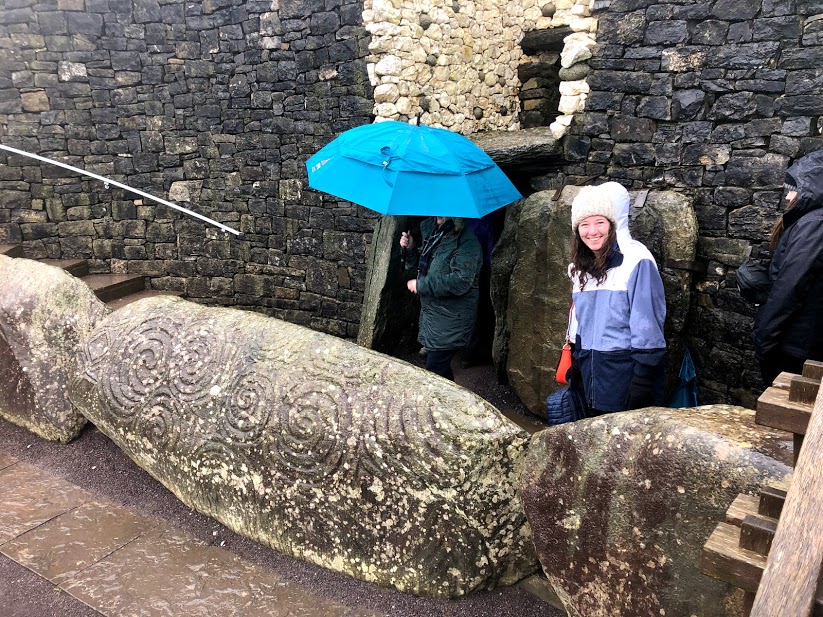
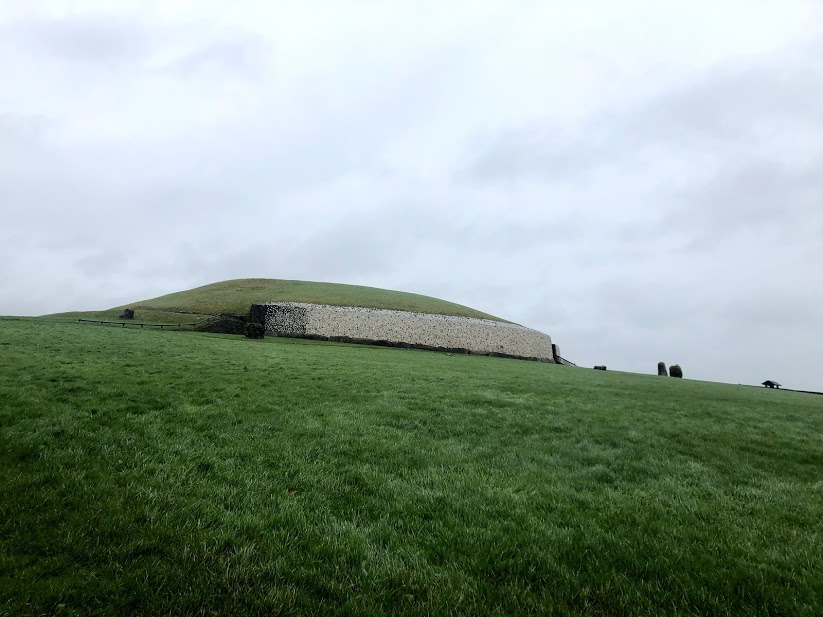
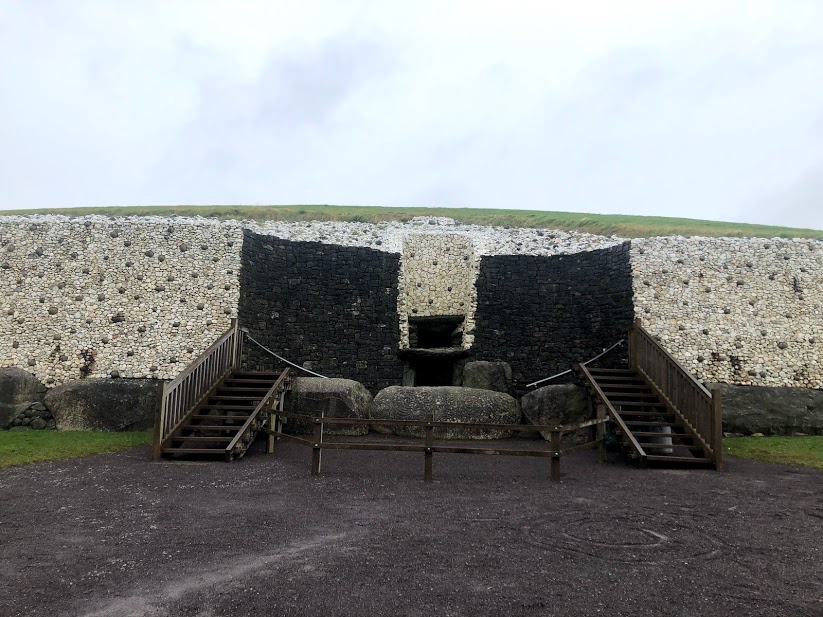
Wednesday morning we left for our 4 day long trip! The trip had 2 planned main activities every day and then the rest of the day we had free time to choose our own adventures. Our first stop was to New Grange tomb. I didn’t even know this spot existed, and it’s older than the some of the pyramids at 5,200 years! This stop was my favorite of the entire trip just because of the sheer age and beauty of the monument. The especially unique feature of the tomb is that on the winter solstice each year the channel and center tomb light up at sunrise. It blows my mind that they had the knowledge to calculate this perfectly over 5,000 years ago. The tomb is much smaller on the inside than it is on the outside, with only a hallway leading up to a small opening. Every year they do a lottery to decide who will be allowed in the tomb during the solstice, I hope one day I might be so lucky!
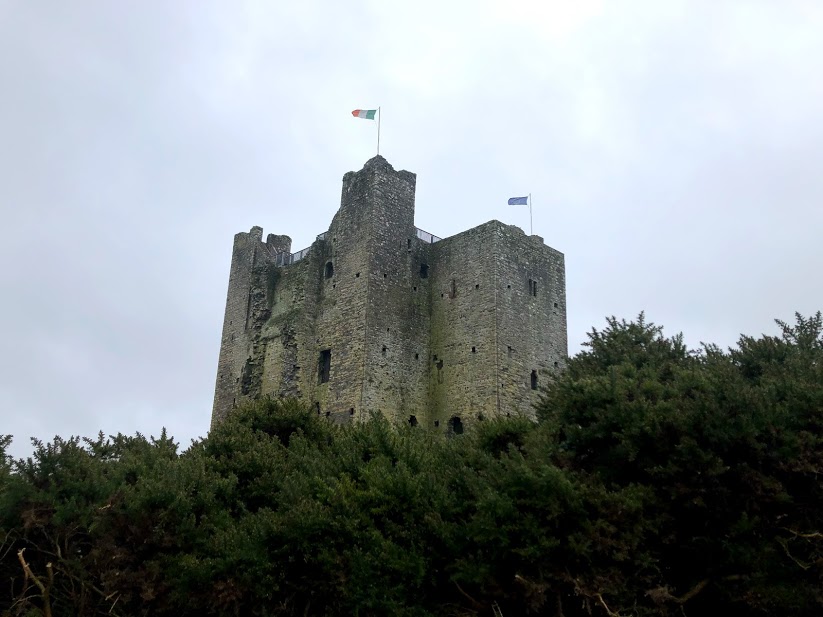
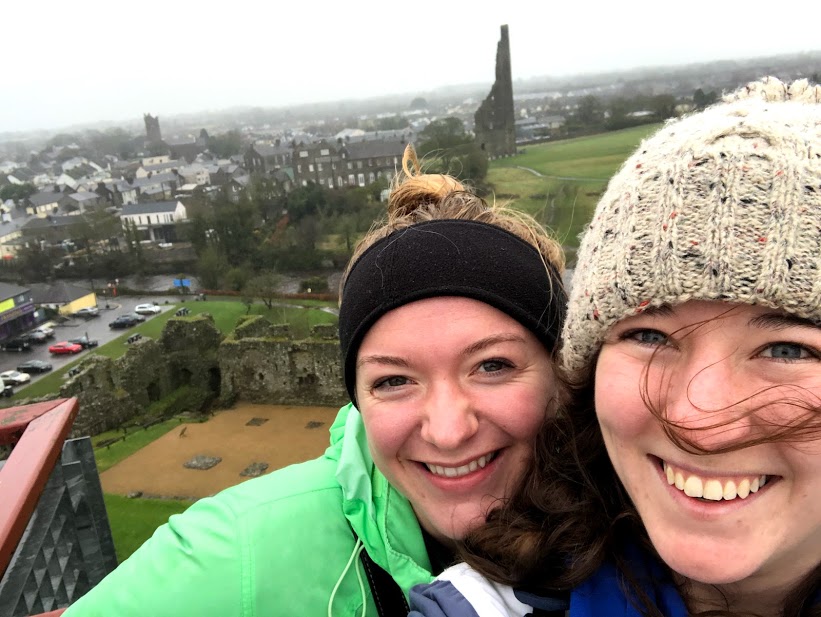
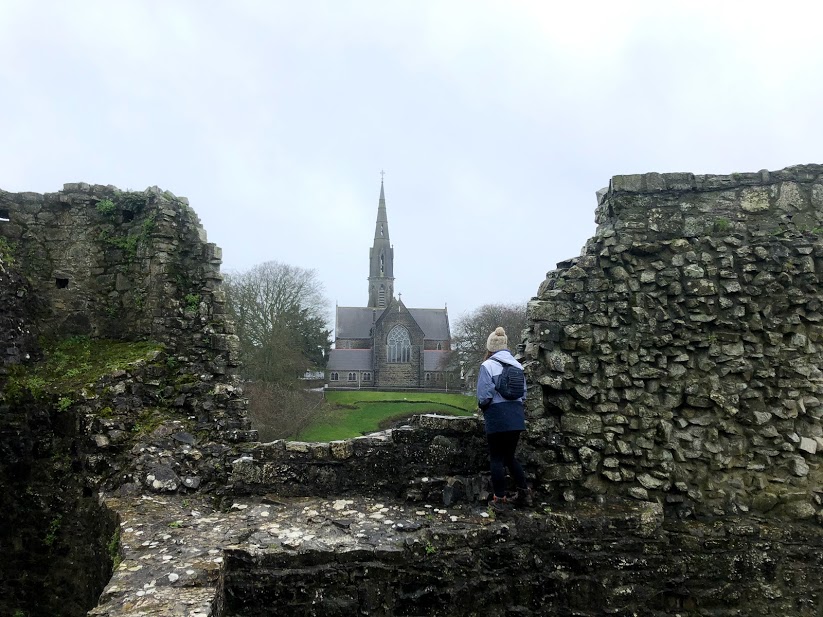
After New Grange we set our sights towards Trim castle, the oldest and largest castle in Ireland. We first spent some time exploring the outer grounds of the ruins. Then we got a tour of the inside and history of the castle. The castle was constructed by the Normans and is strategically placed on the south bank of the Boyne river. In our history class, we learned that castles and strongholds were built along rivers because they provide a source of food, water, protection, trade, defense, and aesthetics. Building near water created the optical illusion that castles were bigger because the reflection. That night we went to see a professional comedy show!
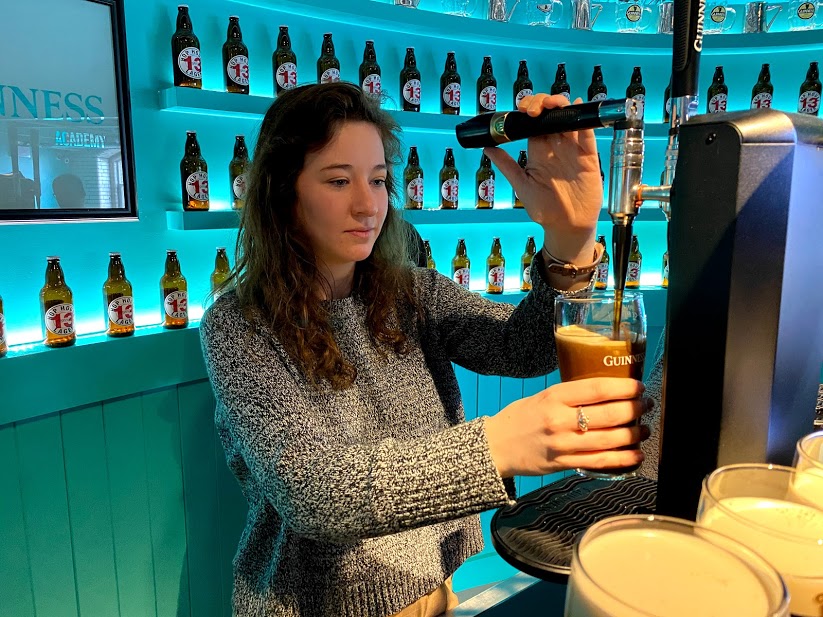
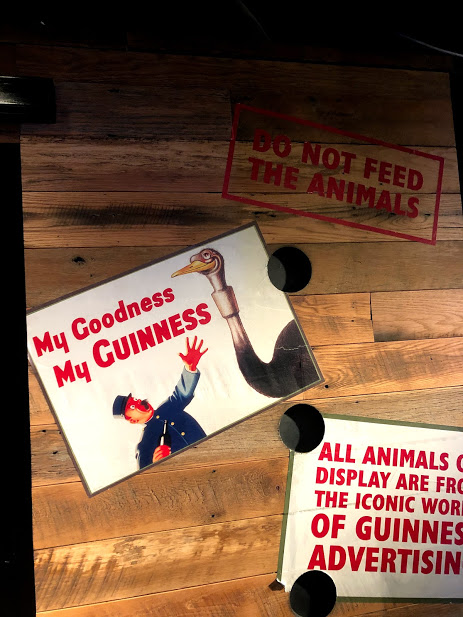
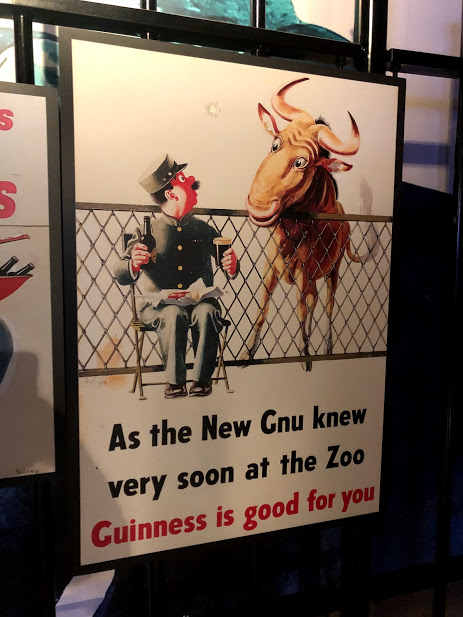
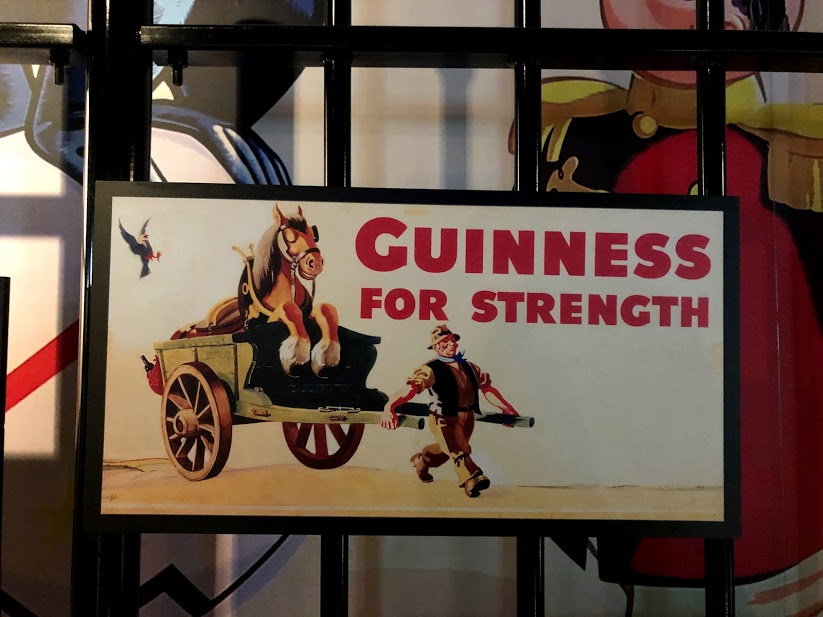
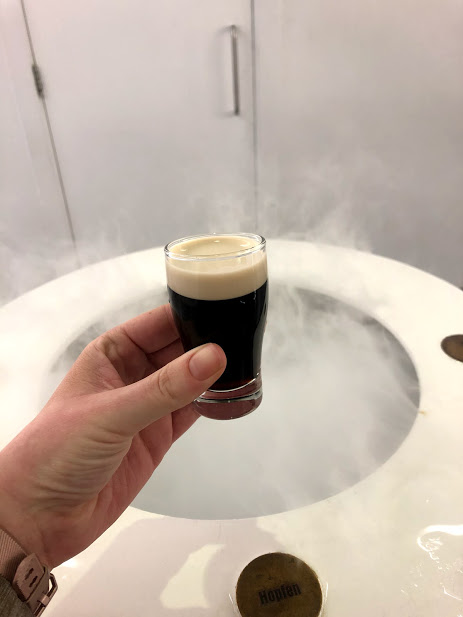
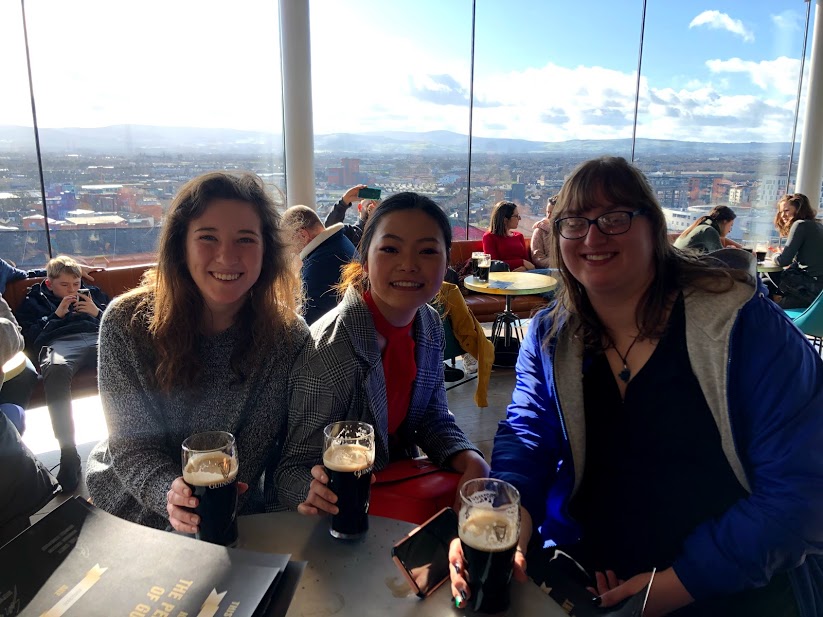
Day 2 started off with some free time. I decided to tour the Guinness storehouse, which is apparently the number one tourist attraction in the country. Other than a tasty pint at the end, we enjoyed the gorgeous view from the skybar at the top of the building. I also especially enjoyed learning to pour my own pint and their advertising floor. It was here I learned that the official emblem of Ireland, the harp, first belonged to the Guinness company. The government of Ireland had to ask Guinness special permission to use a reflection of the harp to represent the country. This story was reiterated later on at Dublin castle.

I then decided to join a group of students touring the Irish Whiskey Museum. Whiskey has never been my personal favorite, however, the tour contained excellent history that tied in really well with what we have been learning in the classroom. Irish whiskey used to be called Uisce beatha (pronounced like ishka baha) meaning the water of life. The making of whiskey began with illegal poitin distilling in everyday households. It was so common to make the illegal substance that 8,000 stills were confiscated in the country in one year. People often hid their barrels of poitin in forests so that they couldn’t be confiscated. Sometimes the barrels would be lost and forgotten, and would be later found as a darker and much more flavorful substance, whiskey! Creating poitin was dangerous business because distillers would often be drinking straight methanol instead of the ethanol they were after. Many people died because of this, and grave robbers later learned that many of the individuals they thought had died were only in comas. They discovered deep scratch marks in some of the caskets. To avoid doing this in the future, the Irish wake was created. During these times, an Irish wake would take place for 3 days and the family and friends would mourn, drink alcohol, and say their goodbyes to the deceased person, who every once in a while, would wake up! Though they are now shorter, Irish wakes still take place and I hope my death is someday celebrated in a similar fashion.
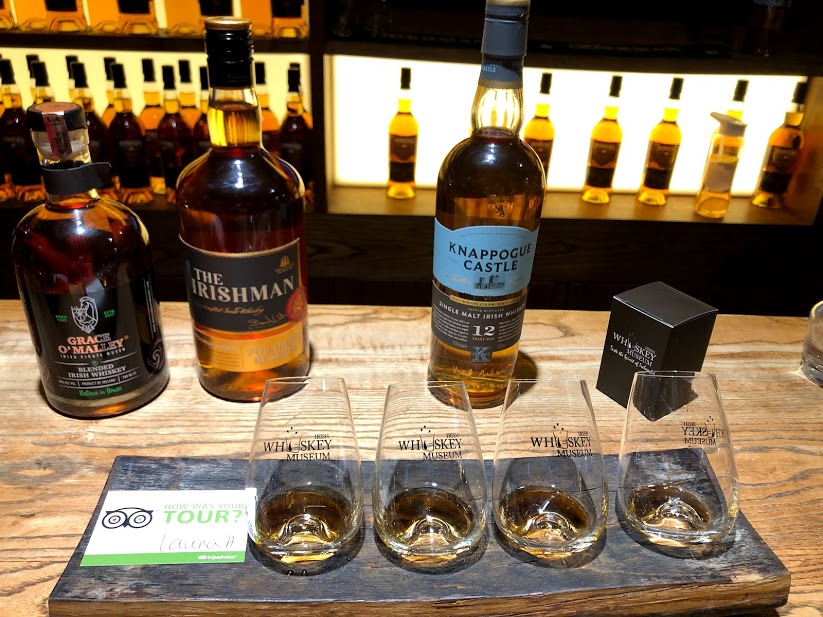
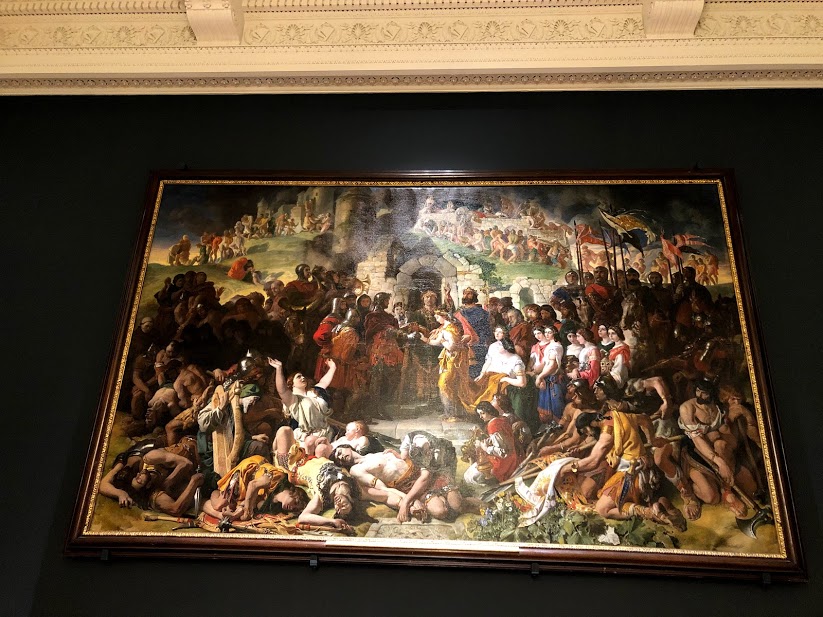
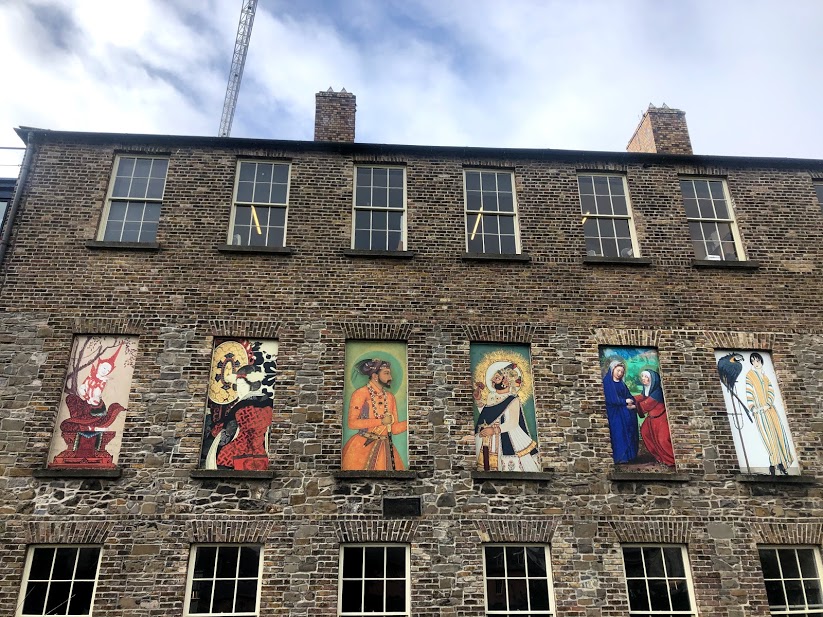
Though the British controlled Ireland for 800 years, they were originally invited in by Irish lord Diarmait Mac Murchada. Mac Murchada invited them in as back up to protect his lands. The lord promised the British knight Strongbow his daughter Aoife’s hand in marriage and all the Uisce beatha he could drink in exchange. I can’t help but feel bad for young Aoife as she had to marry a man more than 40 years older than her that was written in history to be an ugly man. Later that day, we saw a painting depicting the marriage of Strongbow and Aoife at the National Gallery of Dublin.
In our history class, we also learned of the meeting of the two queens: Elizabeth I and Grace O’Malley. Grace, known as the pirate queen, had stolen one of Queen Elizabeth’s ships. In response, Queen Elizabeth kidnapped Grace O’Malley’s children. In an attempt to peacefully retrieve her children Grace O’Malley traveled to England to meet with with the queen and brought along with her, you guessed it, loads of poitin. The only language both queens spoke was Latin. The two queens drank together and reached a peaceful agreement that resulted in the pirate queen getting her children back. As you might be able to tell, I thought the Irish Whiskey museum was the most educational part of the whole trip!
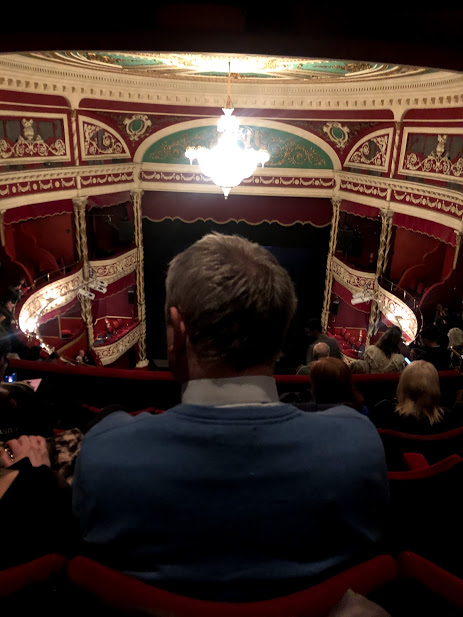
The rest of the evening we briefly walked through the National Art Gallery of Dublin, ate Thai food for dinner, and went to see an Irish play. In our literature class, we prepared for the play by reading The Playboy of the Western World by John Millington Synge. In Dublin, we went to see The Lietenant of Inishmore by Martin McDonagh. All in all, we learned that Irish plays are anything but boring! They sought to disrupt the upscale ideal that was held about the Irish as a high society by depicting pesants and murderers. Calling the play dark would be putting it mildly!
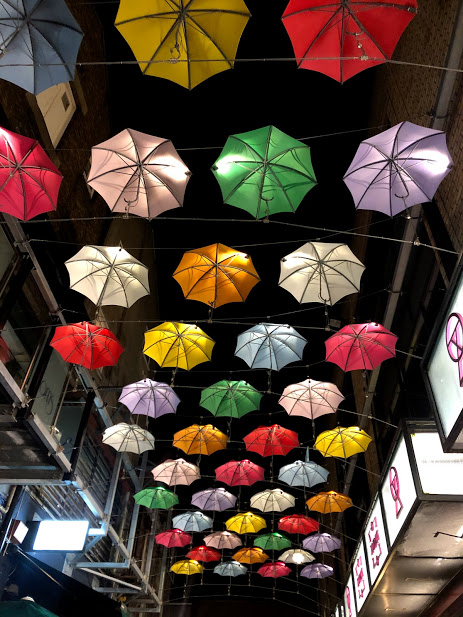
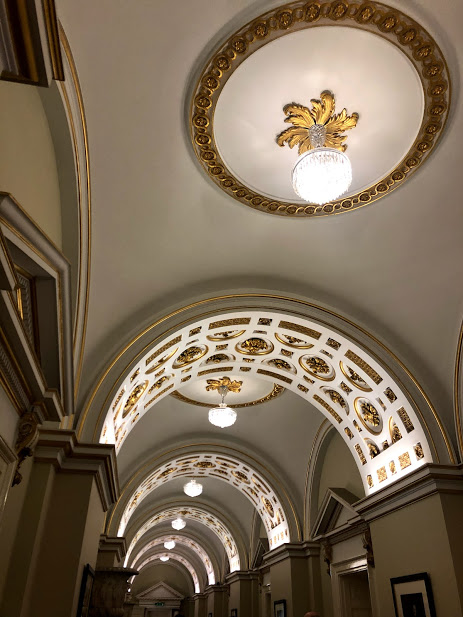
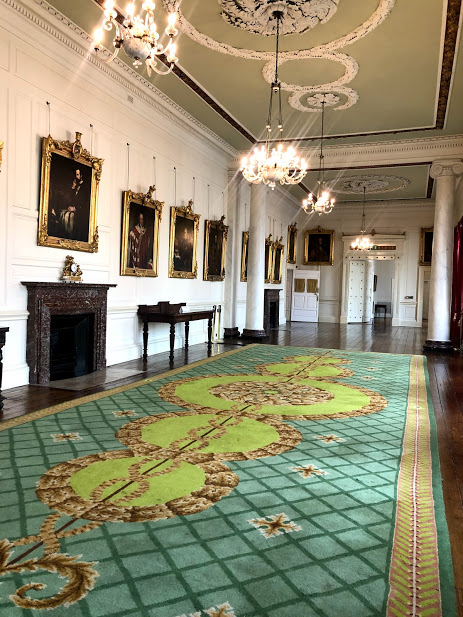
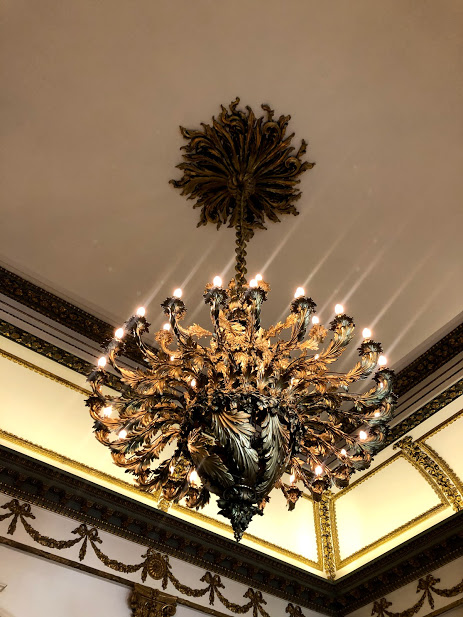
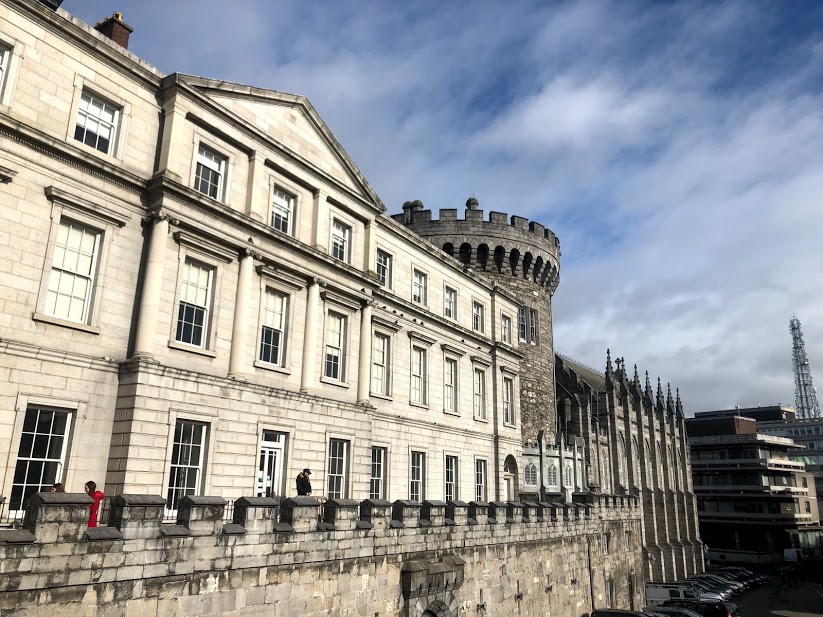
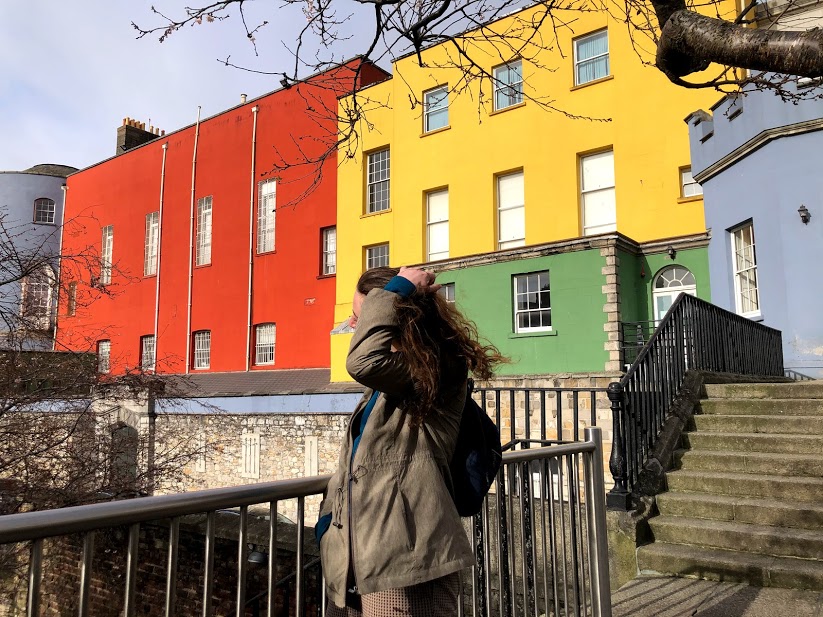
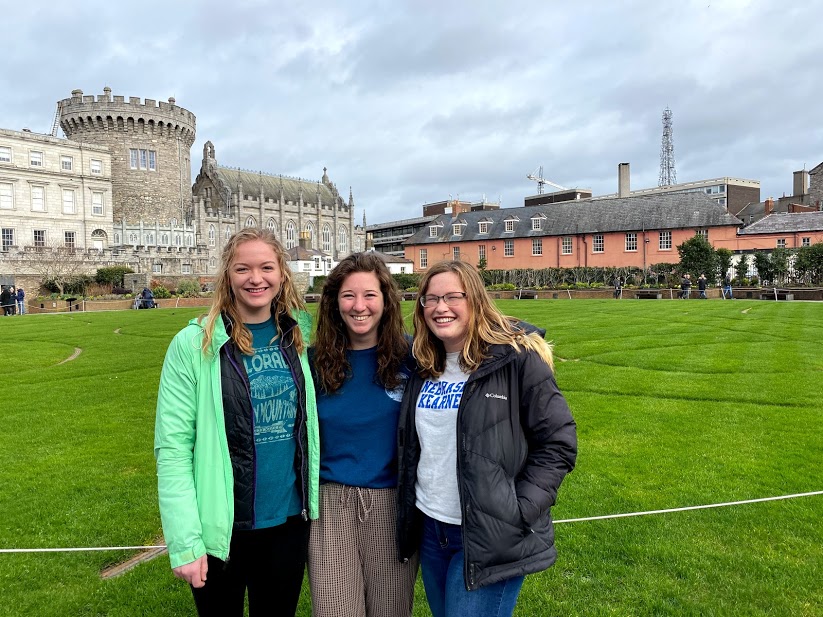
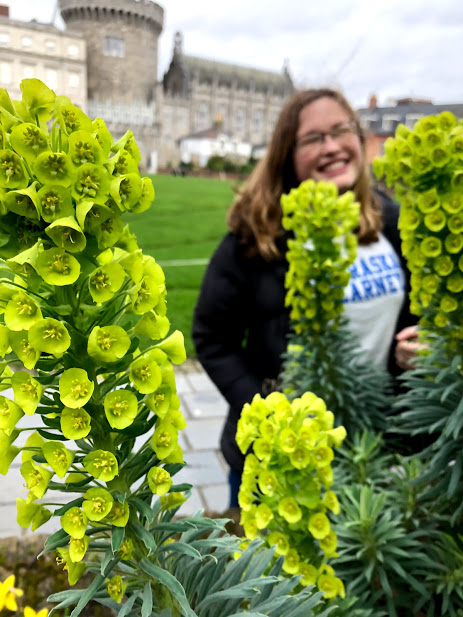
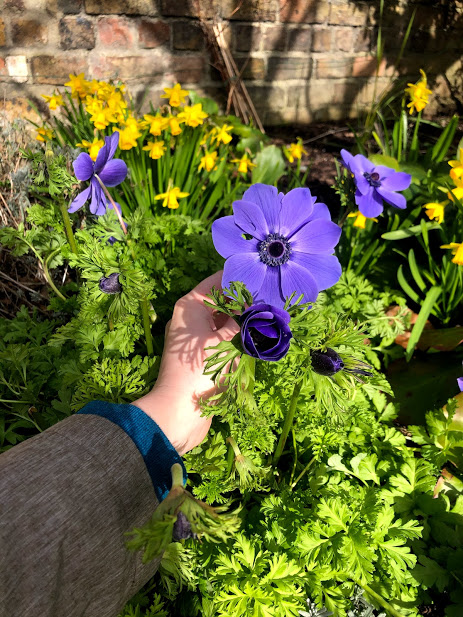
The third day of the trip started with a tour of Dublin castle and a walk in the castle’s gardens. The garden’s were beautiful and seeing several different flowers starting to bloom was really reassuring that better weather is on its way. I’m looking forward to returning to the grounds at the end of my trip in May. We had Korean for lunch and then toured the Leinster House, Ireland’s parliament building. Unfortunately, no photography was allowed inside but it was cool to see the beautiful ornate room where their senate meets. That night we had some true Irish food for dinner and most of the group went on a pub crawl together.
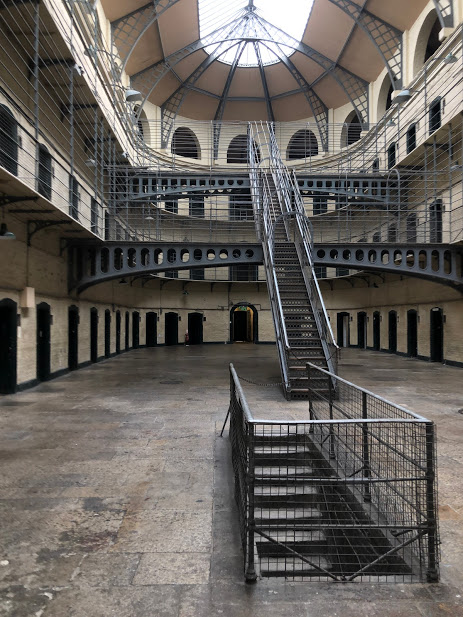
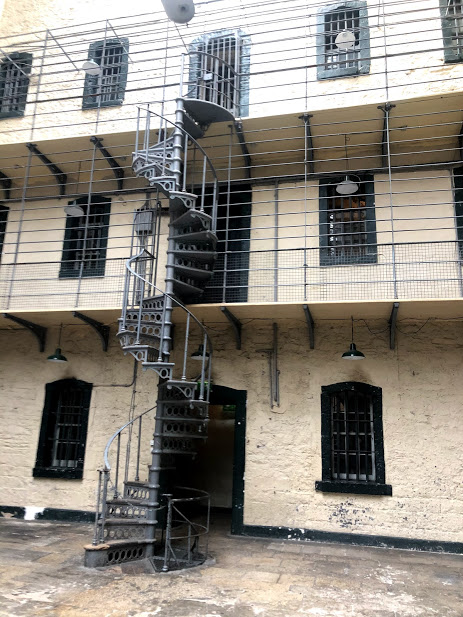
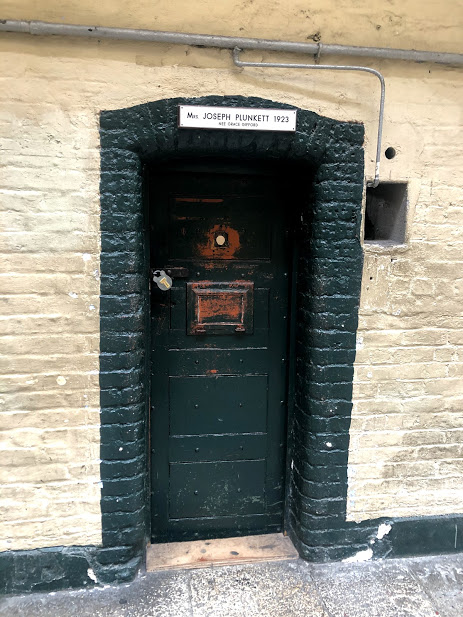
On our final day we toured the tragic historical sight Kilmainham jail. The jail was insanely overcrowded at nine times its maximum occupancy during the potato famine. Many individuals were in jail for stealing food or intentionally got arrested to guarantee themselves one meal, a piece of bread, a day. The jail was also the execution site for the leaders of the 1916 Easter Rising, the event that eventually led to the independence of Ireland in 1922.

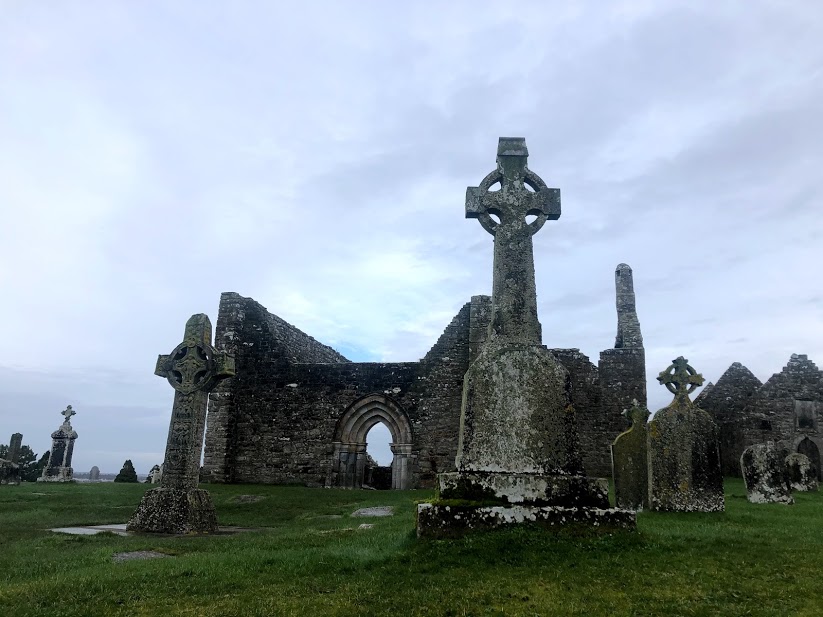
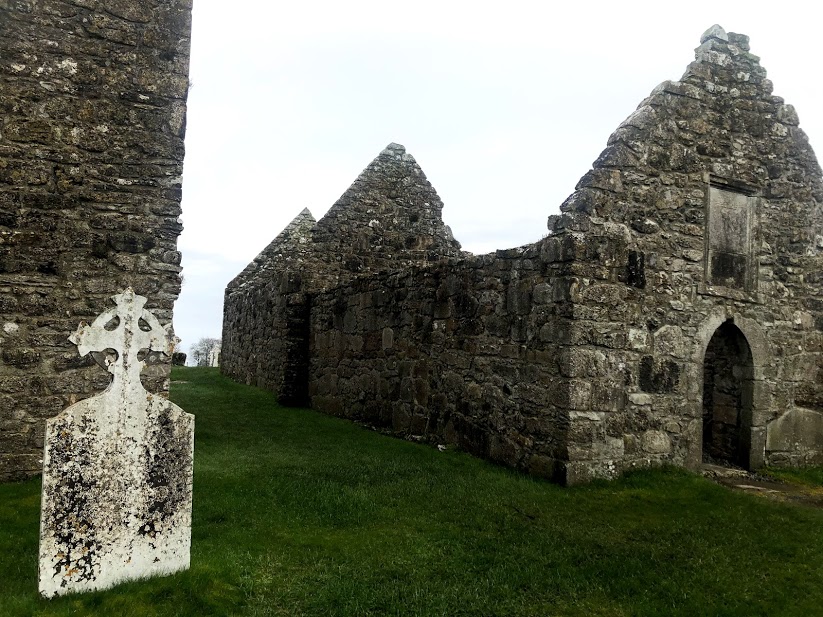
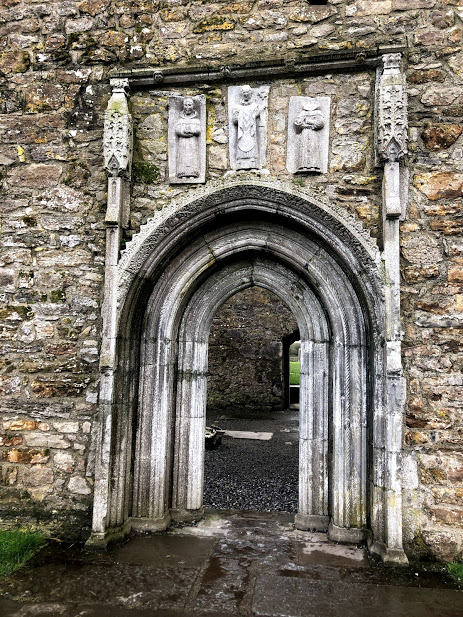
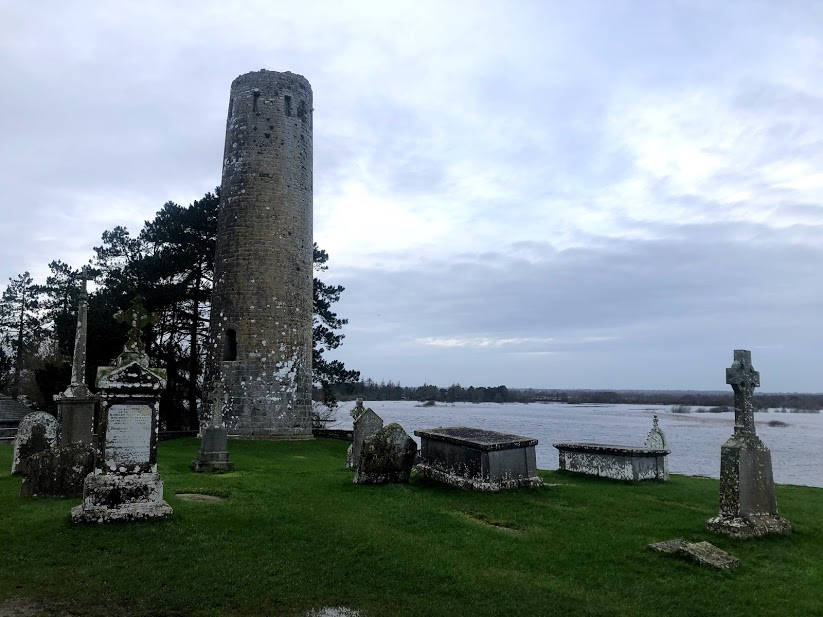
Our final stop of the trip was to the ruins of Clonmacnoise monastery. The monastery was covered in Celtic cross headstones. We learned that the Celtic cross was a clever way that catholicism was introduced to Ireland. The circle in the center of the cross is to represent the Pagan belief of worshipping the sun.
 Traveling Rays