
At the end of last week I started noticing myself feeling a little warn down and irritable. I was definitely feeling a little lonely and missing people back home. I’ve learned that traveling is taking the good with the bad, and recognizing that being in a beautiful place doesn’t make you immune to the human condition. On Monday, we went to Galway to do a debate for our history class. We debated on Oliver Cromwell and on whether or not he deserves his reputation as a mass murderer in Ireland. After the debate, I recognized that I needed some time alone so I broke off from the group for some self care time. I wandered up the River Corrib, stumbled upon Galway cathedral, and found a cafe to write last weeks blog in. That night I spent 4 hours facetiming Lexi, Liv, and Michael. Those conversations really cheered me up and made me feel like myself again!
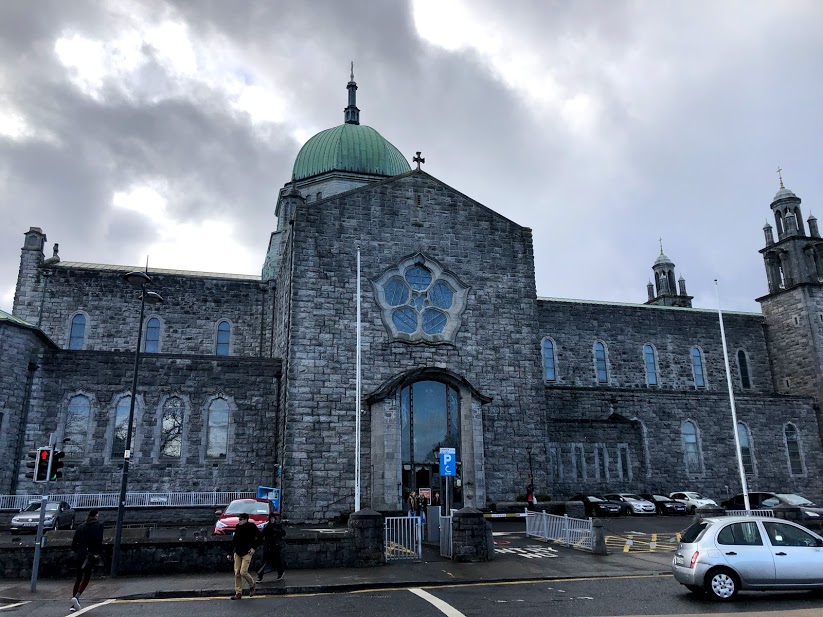
Galway cathedral 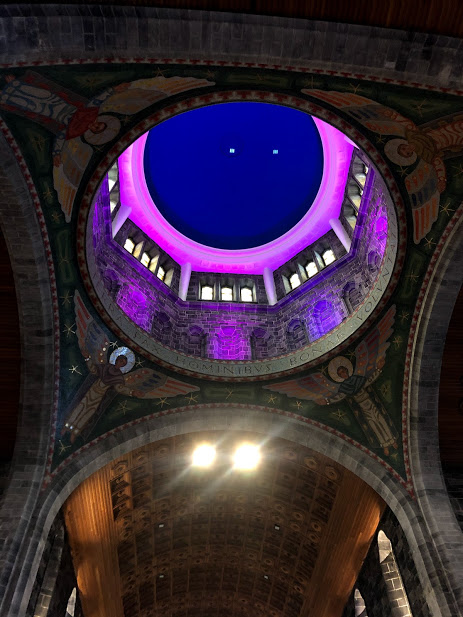
Cathedral interior 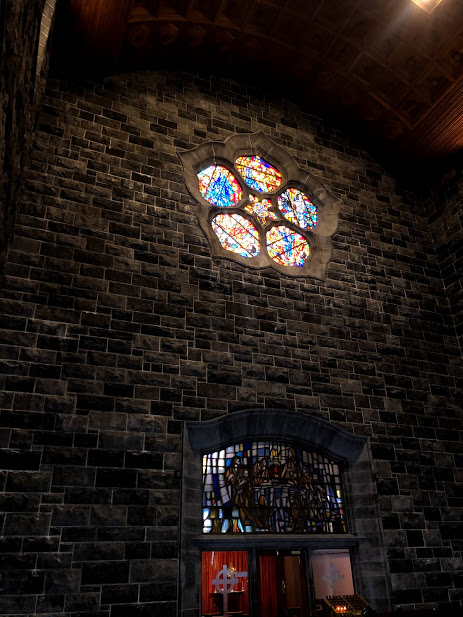
Cathedral interior 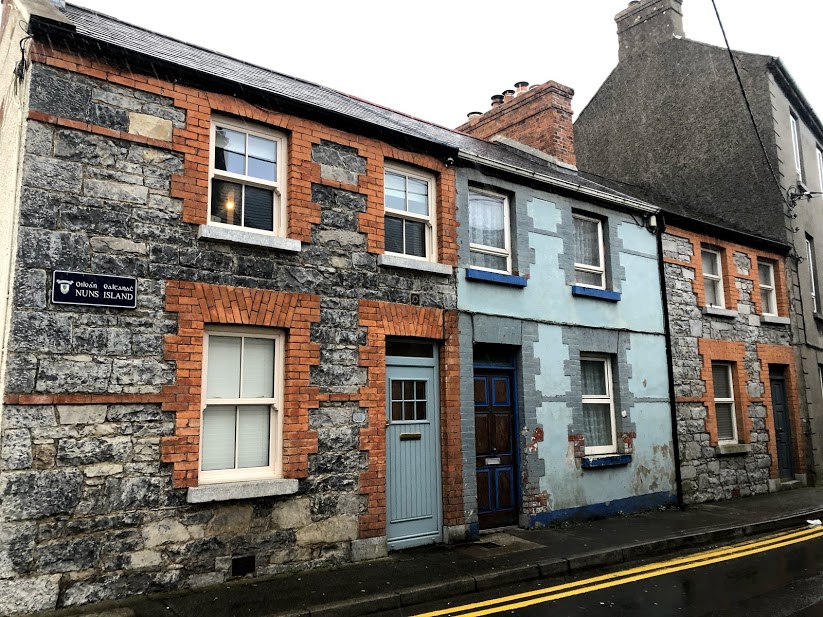
In Galway 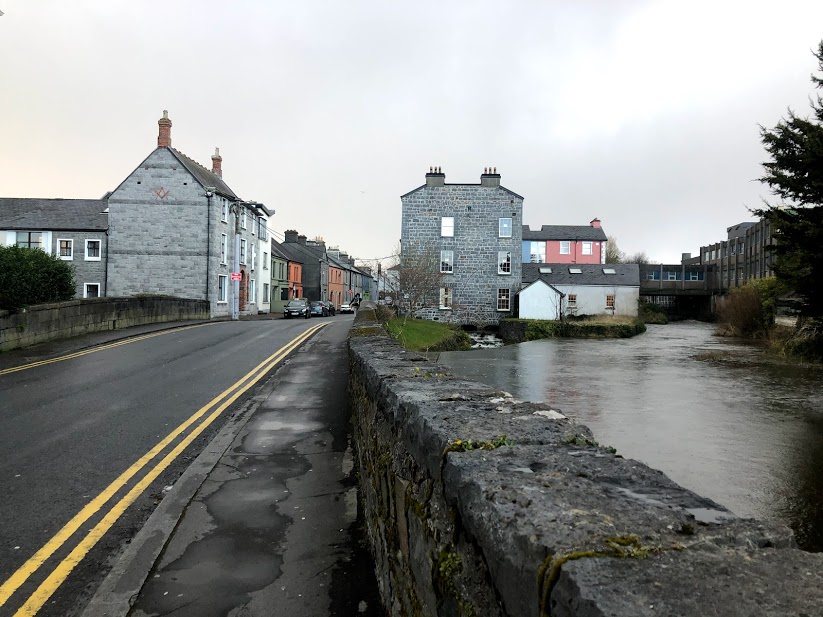
Street in Galway
On Tuesday, we had our language class. Afterwards, my group went to our community connection project. As an assignment for the course, everyone needed to find a project that brought us closer to members of the local community. A few girls with backgrounds in agriculture decided to help out a local farm family. I asked if I could join them, because I have no experience in agriculture and wanted to try something new! It was an amazing decision because the family is incredible and their animals are adorable. Anne taught us to make her delicious scones from scratch. She didn’t have an exact recipe because she’s made them so many times so we’ll have to remember “a good bit” of buttermilk and “quite a lot” of flour. Sean and their son Tom introduced us to their dog and newest calf!
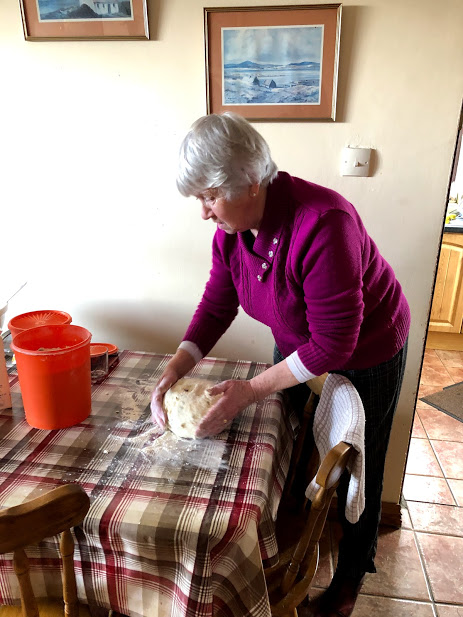
Anne making scones 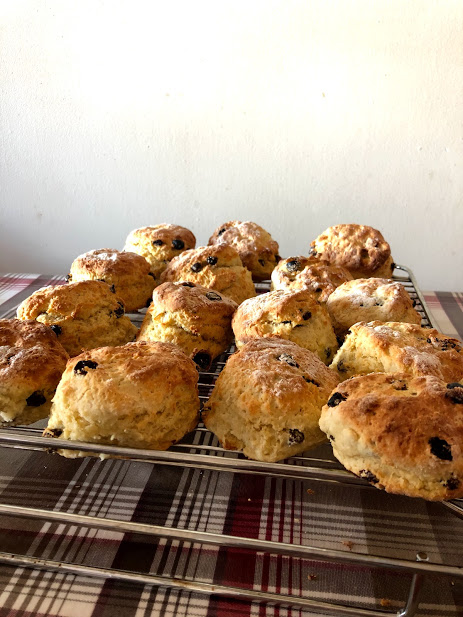
Fresh raisin scones 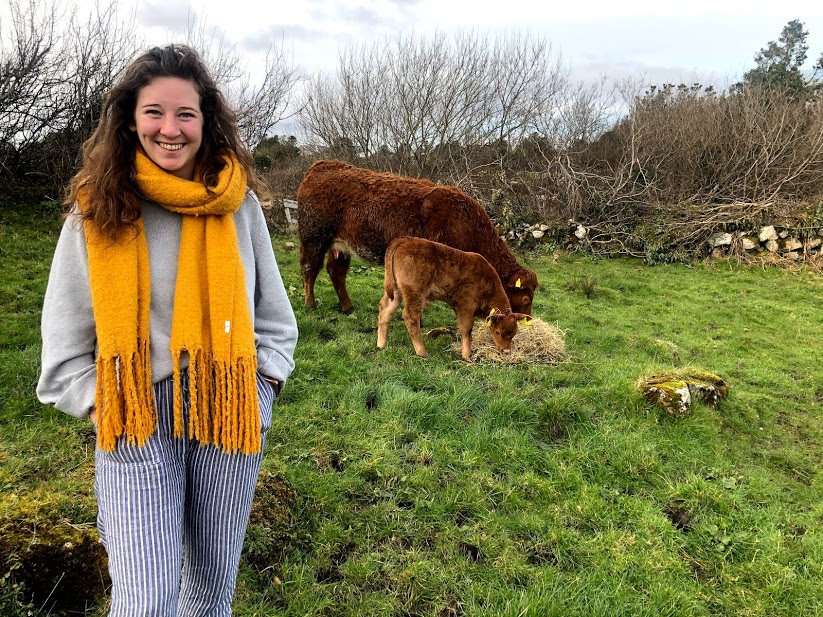
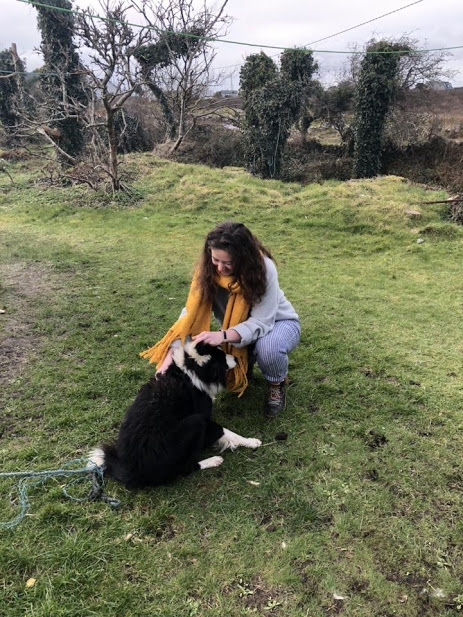
Some much needed pupper love 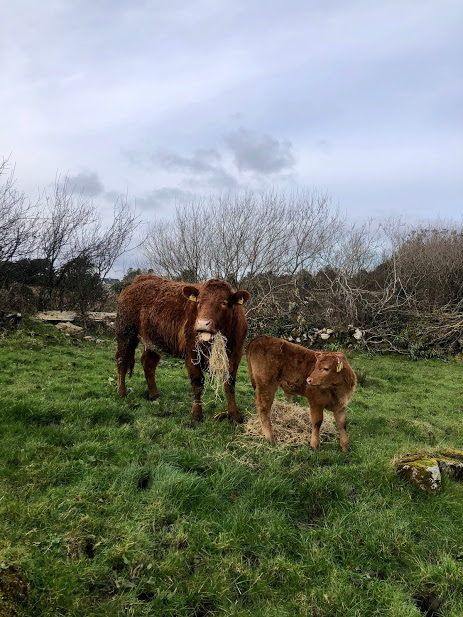
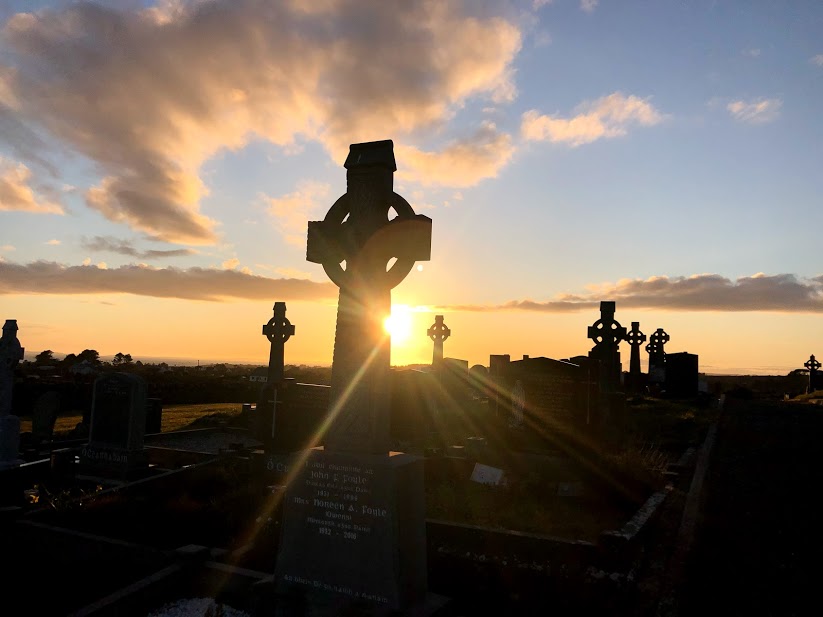
On Wednesday, we had the best weather since we arrived. There wasn’t a cloud in the sky for most of the day and it was sunny and warm. We cleaned our cottage, and I took some videos of the area we live in so that I can post them on the study abroad page during my internship this summer. I went on a long walk and started watching the sunset from the cemetery. I figured if I ran, I could probably make it to the beach before the sun went below the horizon. I booked it, and when I got to the beach all my classmates were already there watching! The clouds usually prevent us from seeing the sunset so it was a special moment we all got to spend together.

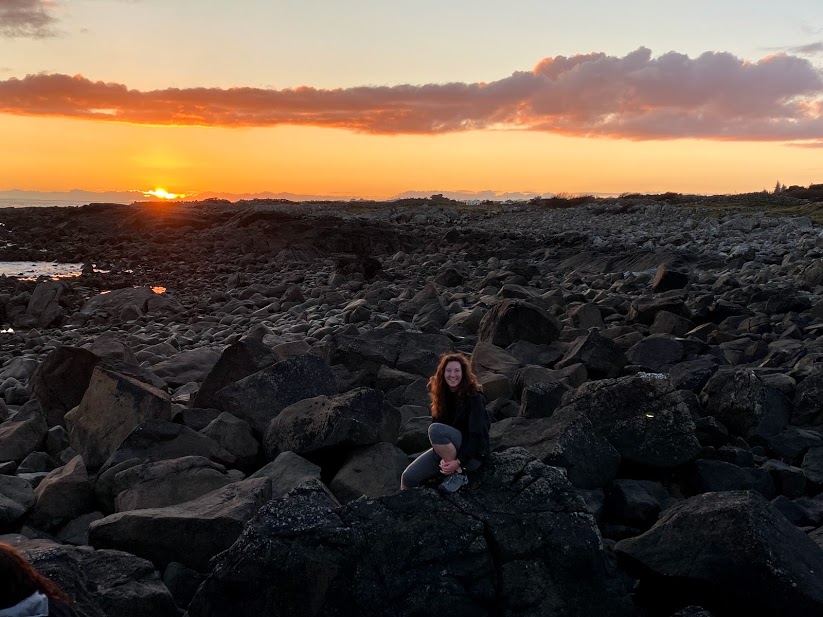
Thursday morning we left for our longest trip to Northern Ireland! Many of my friends from home had no clue that Northern Ireland and the Republic of Ireland are two different countries on the same island. I don’t blame them because it was news to me also along with the troubles, Bloody Sunday, and the division of Belfast. On day one we slowly made the 6 hour journey to Belfast. We made stops at the Lisadell House and the Ulster American Folk park. The Lisadell house was unique because it’s privately owned, and there is a family currently living in it. We didn’t tour the actual part that they live in that’s been modernized, but there were current photos around the house of their family and events that they’d hosted. The Ulster American Folk park is an open-air museum with several exhibits reenacting the emigration from Ireland to the United States.
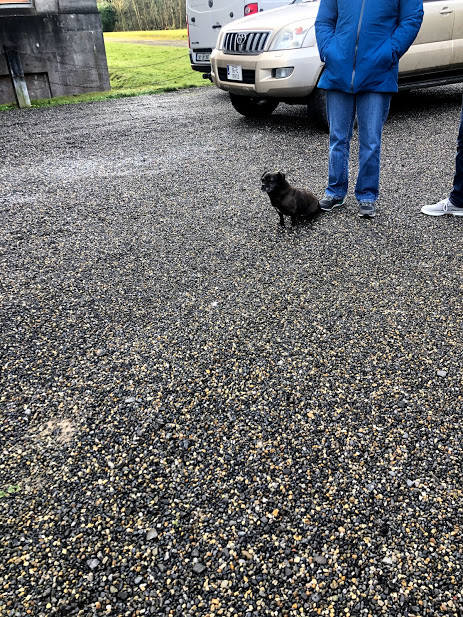
The best tour greeter 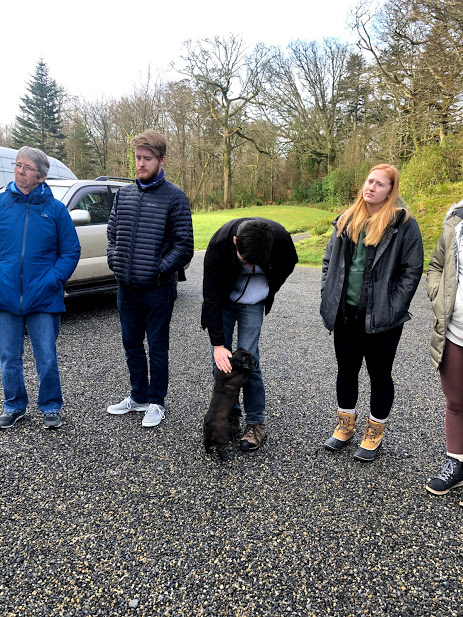
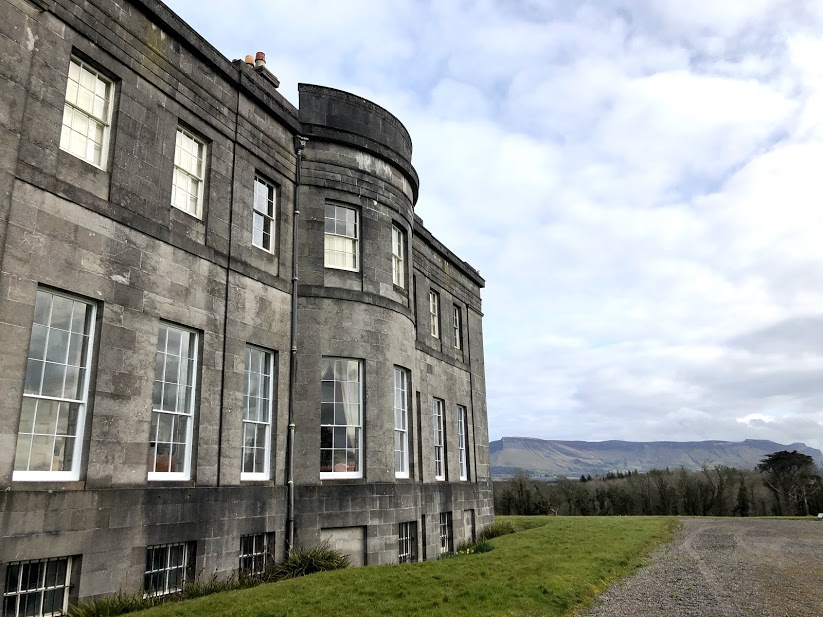
Exterior of the Lisadell House 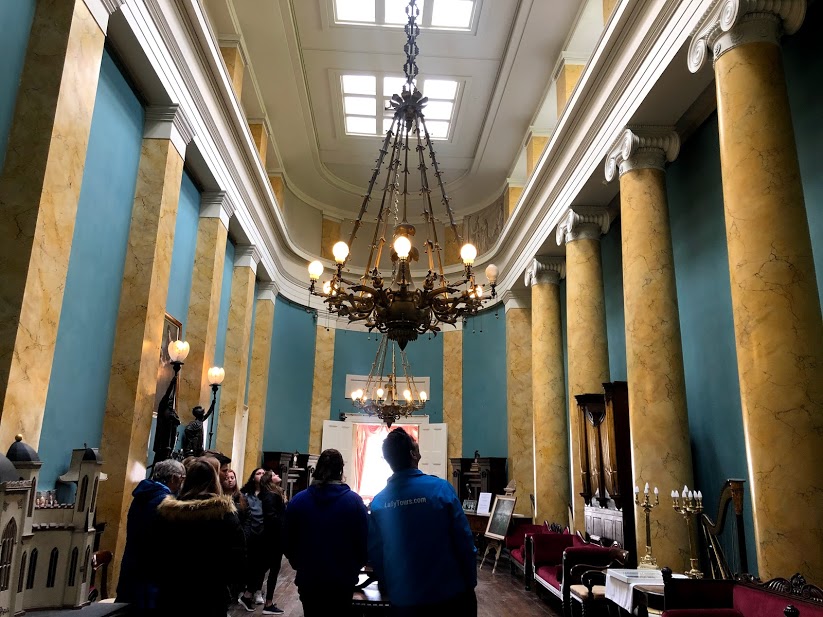
Interior of the Lisadell house 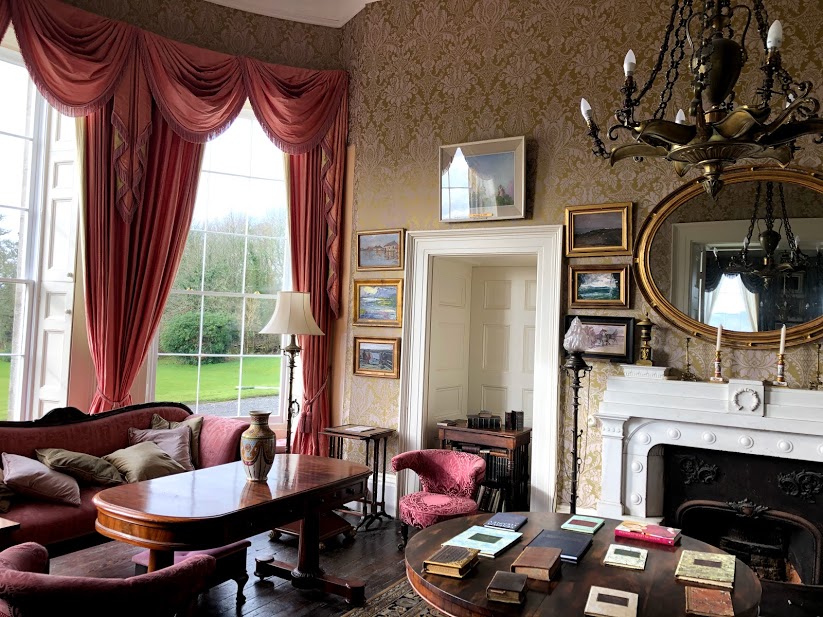
Interior of the Lisadell House 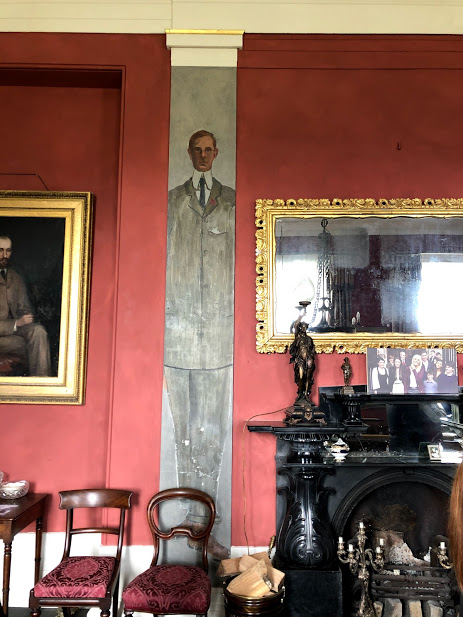
Interior of the Lisadell House 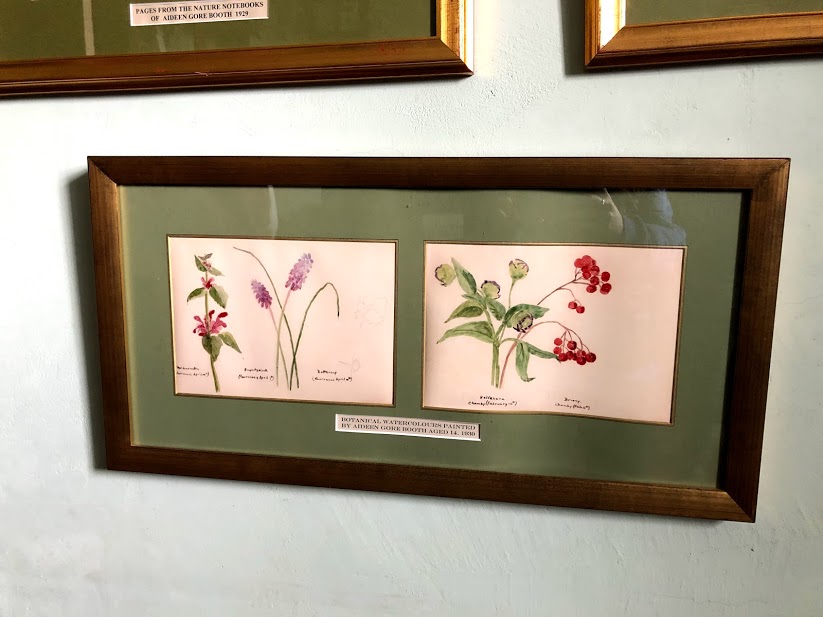
Lisadell House 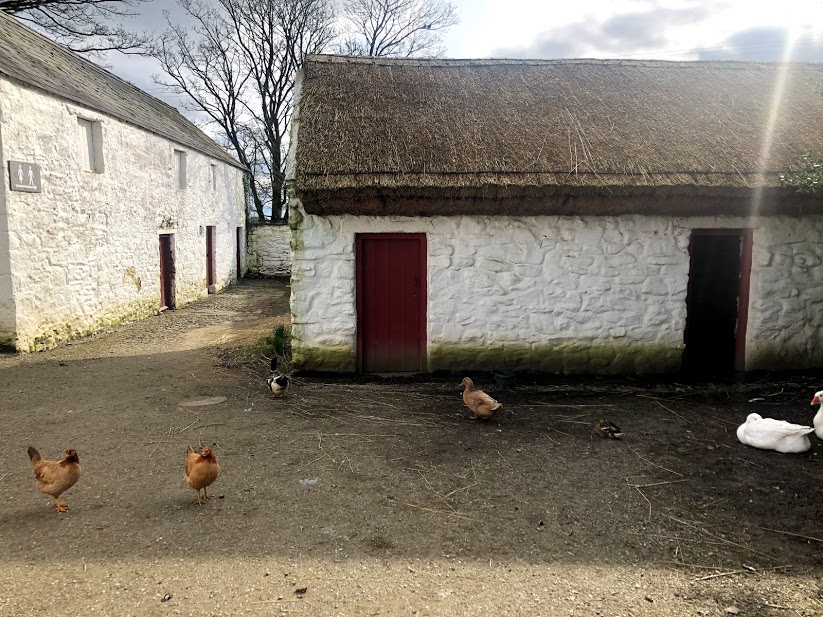
Ulster American Folk Park
On Friday, we learned about the troubles in Northern Ireland during our conflict walking tour. I had no idea that Belfast is a city that is currently divided by a peace wall that closes from 7pm to 7am every day. The walking tour started in east Belfast, the side of the city that is primarily protestant and swears allegiance to the queen of England. They recognize and celebrate that Northern Ireland is a separate country and a part of the United Kingdom, and they’re referred to as loyalists or unionists. The second half of the tour took place in west Belfast, the side of the city that is primarily catholic and does not wish to remain a part of the United Kingdom. Referred to as republicans or nationalists, these people are fighting for a United Ireland separate from British rule. The Troubles began in the late 1960s and didn’t end until the Good Friday Agreement in 1998. Over 3,500 people were killed during the Troubles. Over half of those killed were civilians, murdered in public spaces through bomb explosions or gun shots. The tour was really interesting because the first tour guide’s father was killed by an IRA bomb attack and the second tour guide was a member of the IRA, and his best friend was killed by British soldiers. On the west side we were shown murals celebrating men that murdered IRA members, spots where innocent civilians were murdered by IRA attacks, the decorated side of the peace wall, and current loyalist murals. On the east side we were shown a neighborhood that was burned down, the cathedral the republicans defended on the same occasion, murals for dead IRA members, several republican gardens, and an international wall of art showing murals of struggles around the world. Both of the tour guides agreed that the future should hold nothing but peace and any changes should be done diplomatically. After the walking tour portion we toured the beautiful Crumlin Road jail were political prisoners were held during the Troubles.
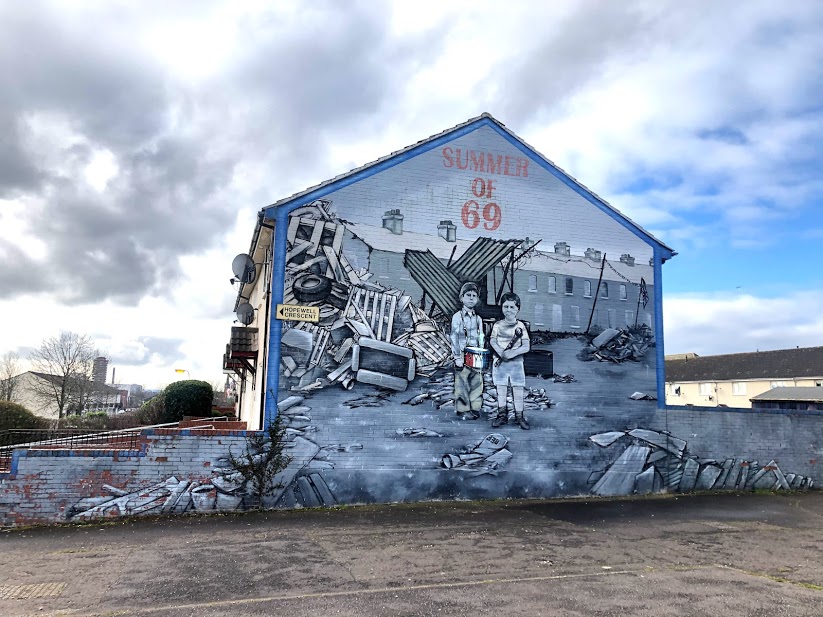
East Belfast 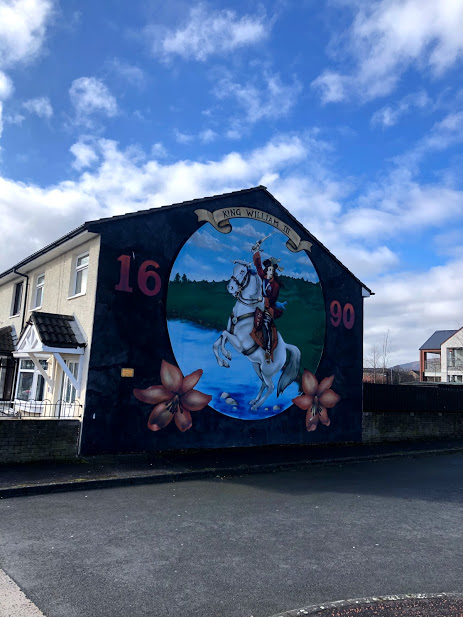
East Belfast 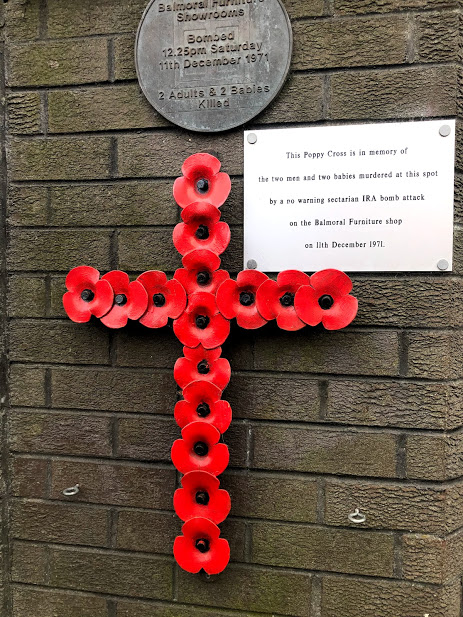
East Belfast: the site of civilian casualties including 2 young children 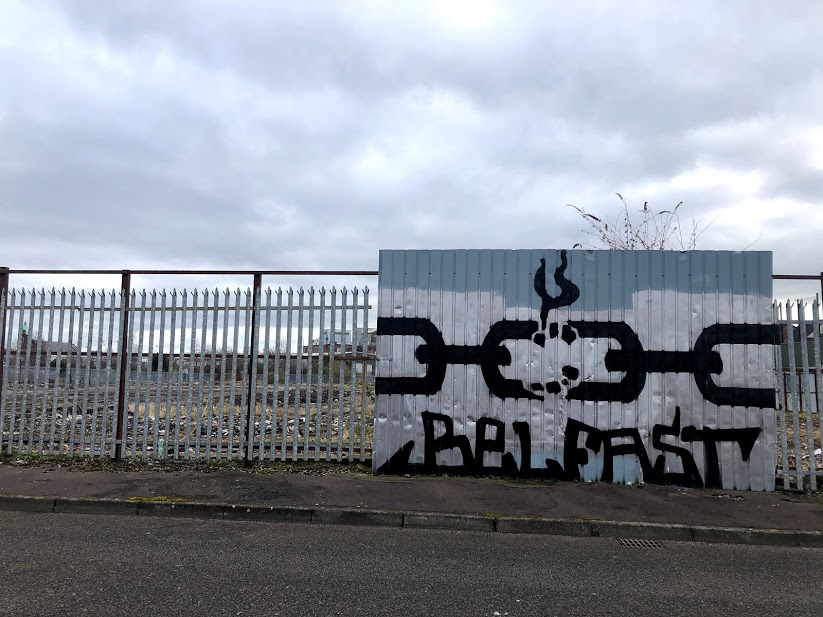
East Belfast 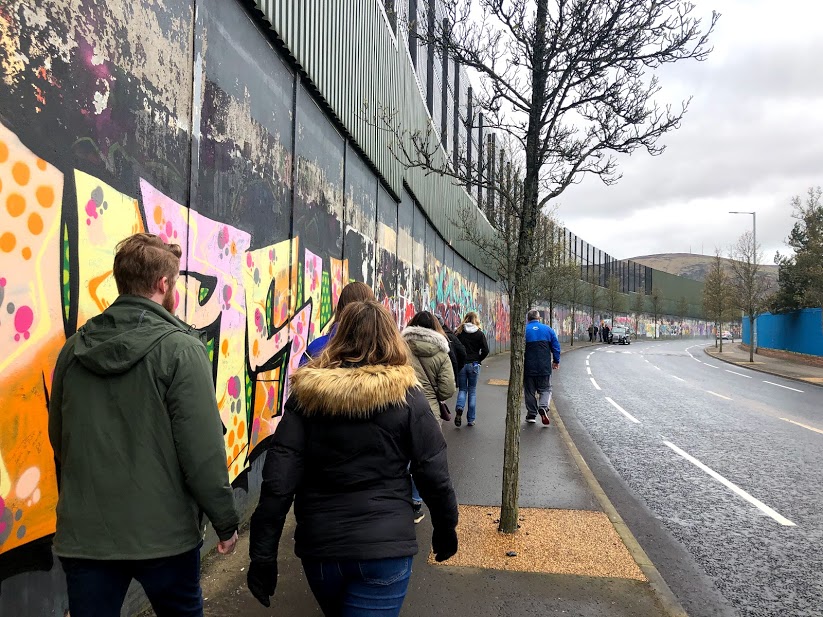
East Belfast: Peace Wall 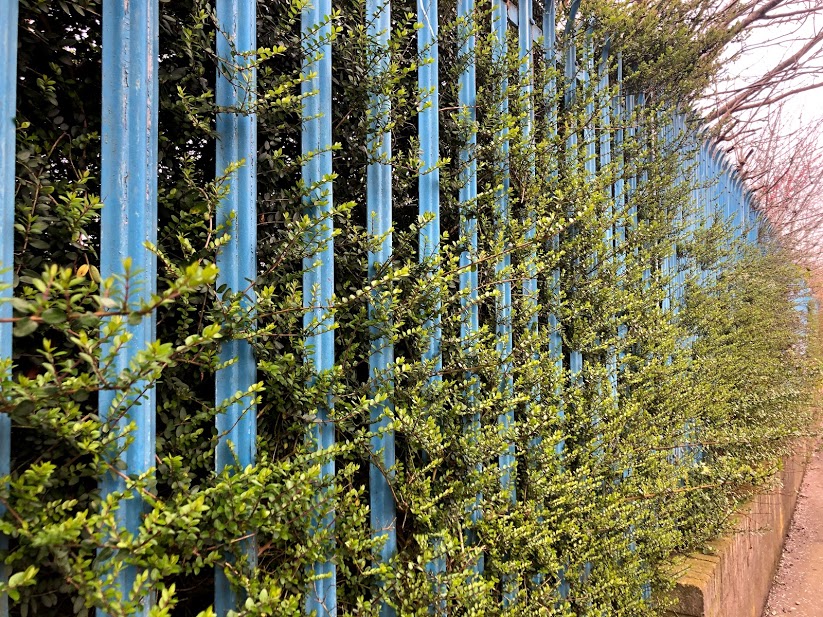
East Belfast 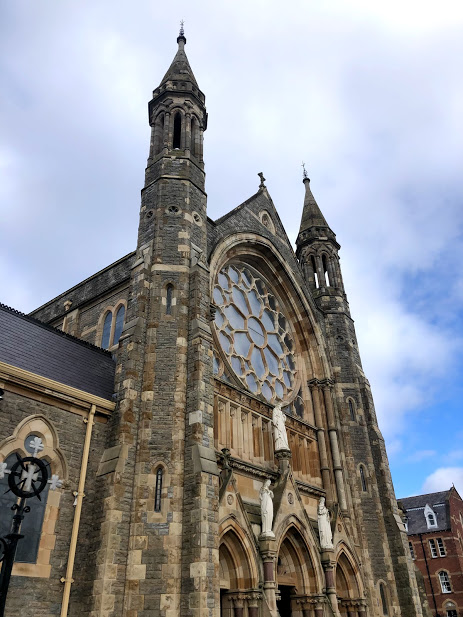
West Belfast 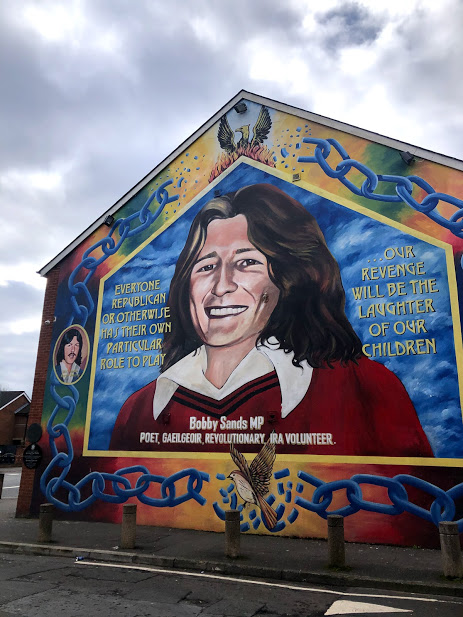
West Belfast: Bobby Sands 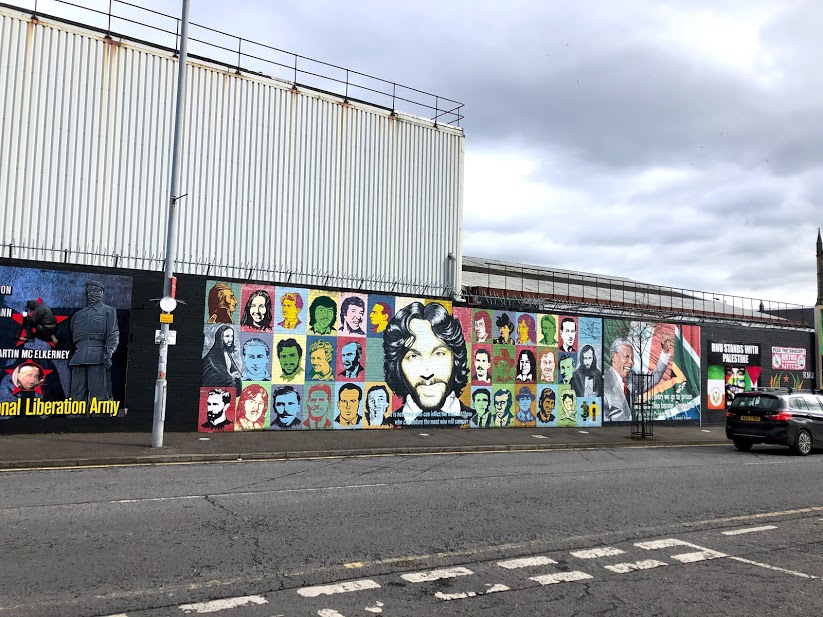
West Belfast: International Wall of Art 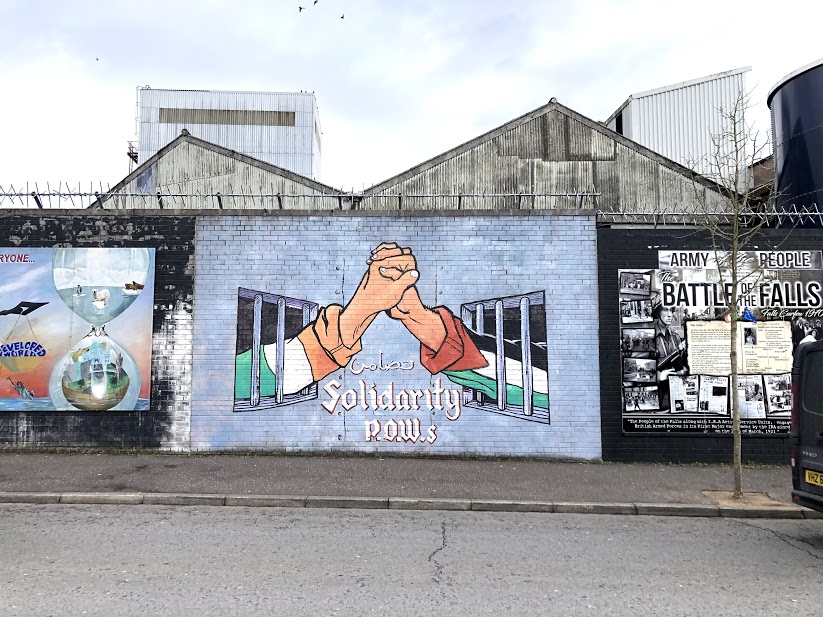
West Belfast: International Wall of Art 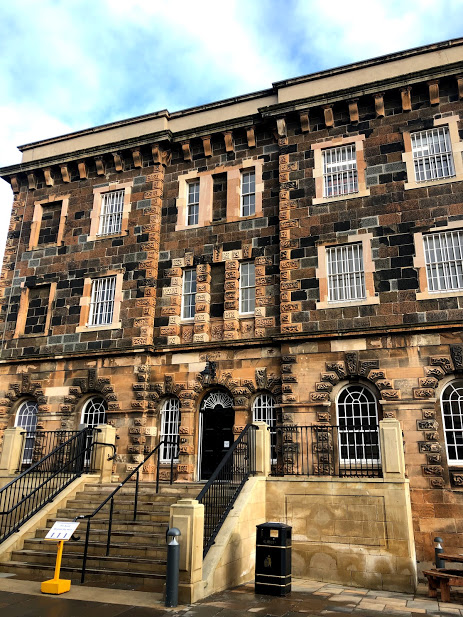
Crumlin Road Jail
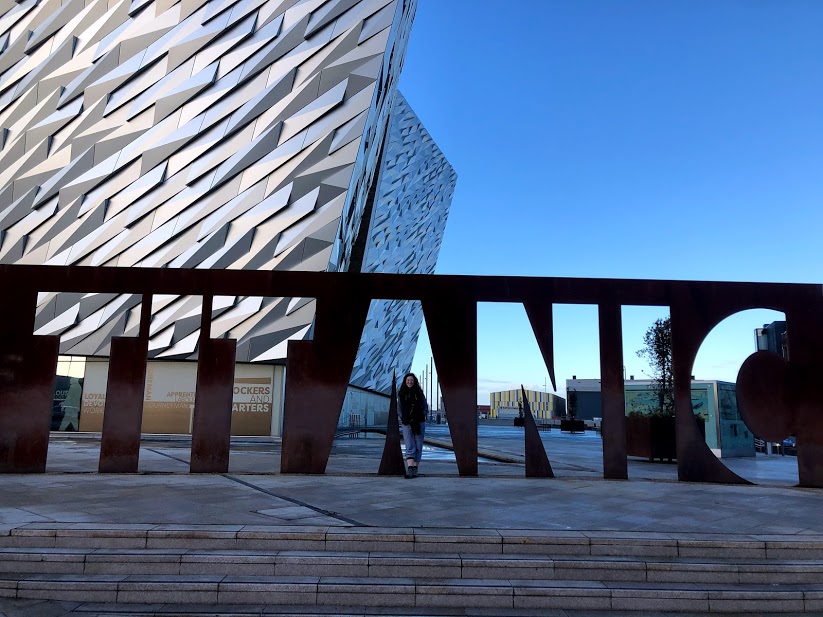
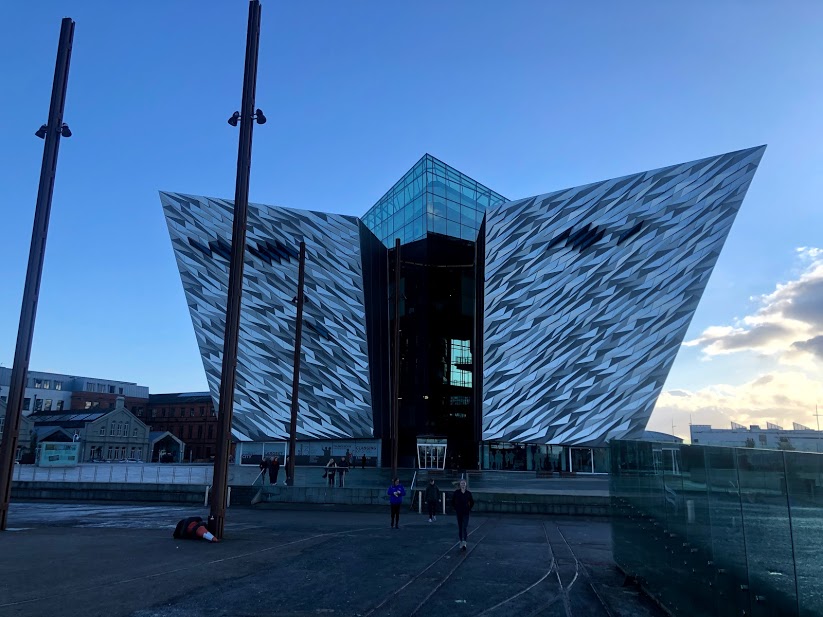
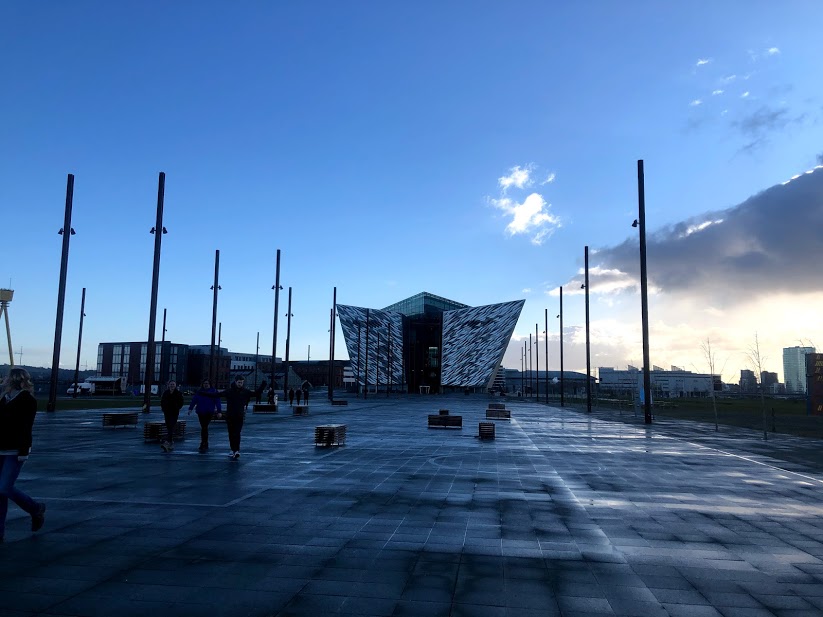
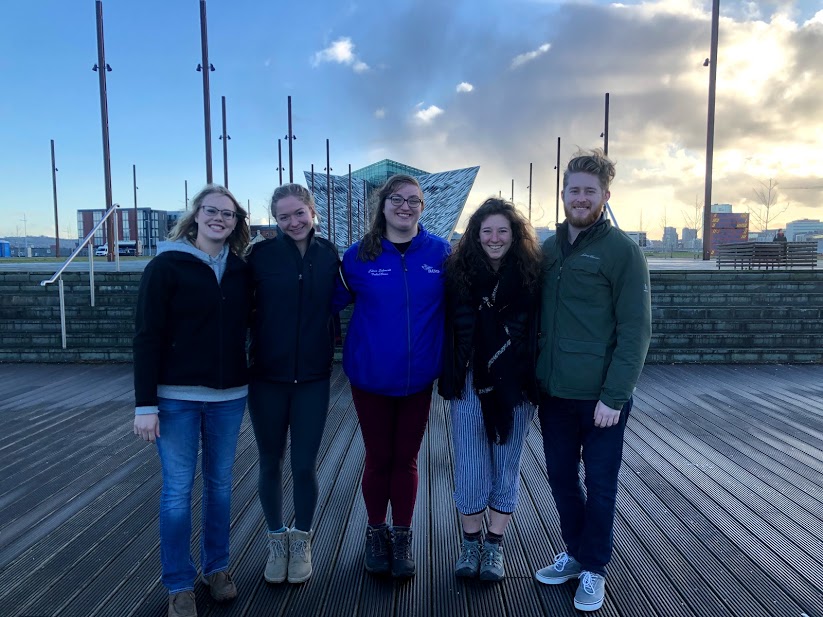
Friday evening we went to the Titanic museum. The museum was beautifully done on the inside and out and is at the location where the Titanic was built and set sail from. It was heartbreaking to hear the testimonials of the survivors and read the distress signals that were sent out after the iceberg hit and shortly before the ship sank to the bottom of the ocean.
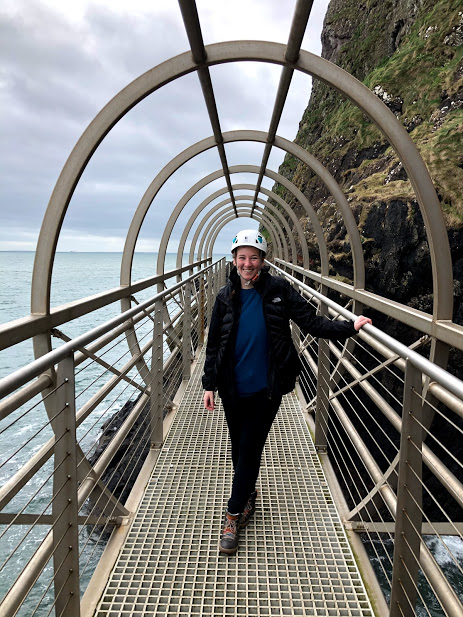
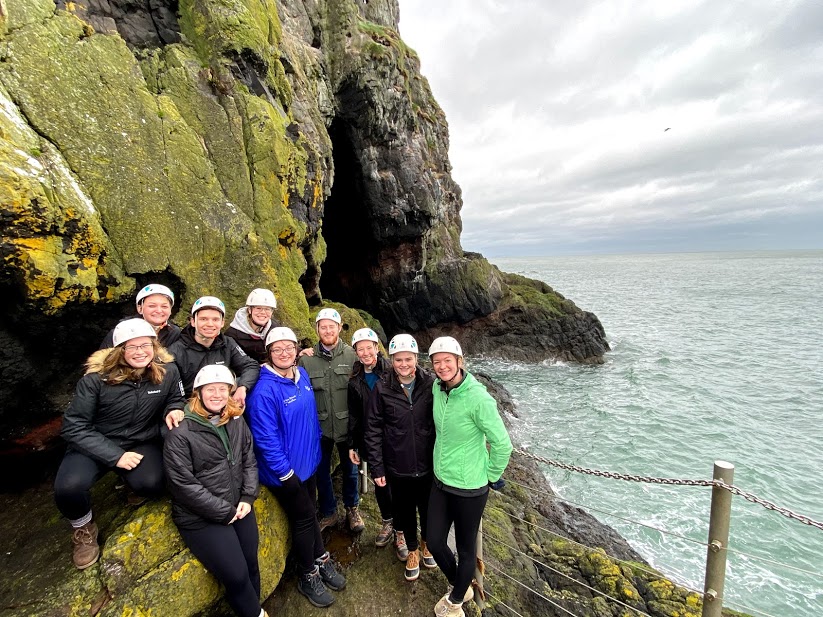
Saturday was my favorite day of the program so far! It was filled with natural beauty and hiking. We started the day on the Gobbins Walk. This footpath runs along a cliff side and originally opened in 1902. It fell into disrepair before WWII and wan’t reopened until August of 2015. It felt special to be on the new path and hear about the paths history while seeing some of the original features. I love that over 100 years ago humans still appreciated the natural beauty of the spot and chose to pay the expensive fee to walk the path.
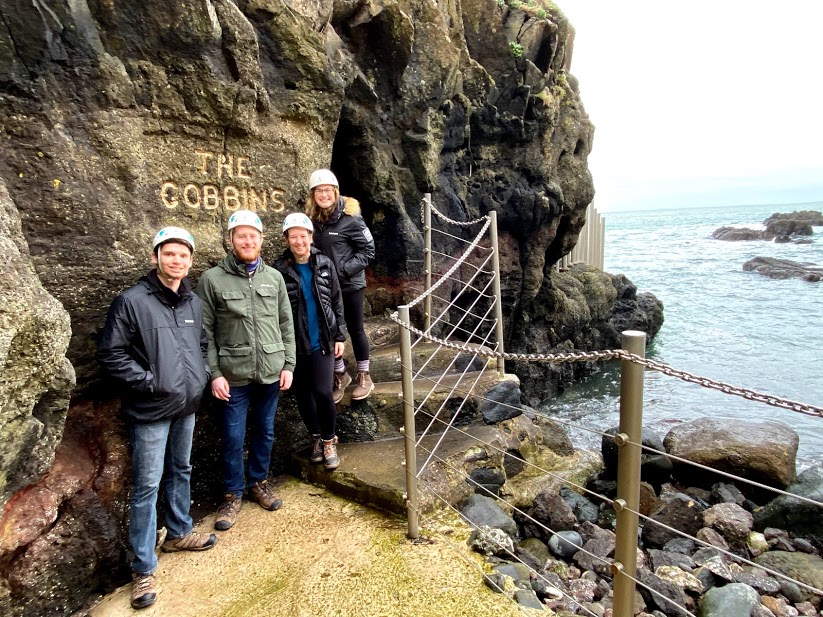
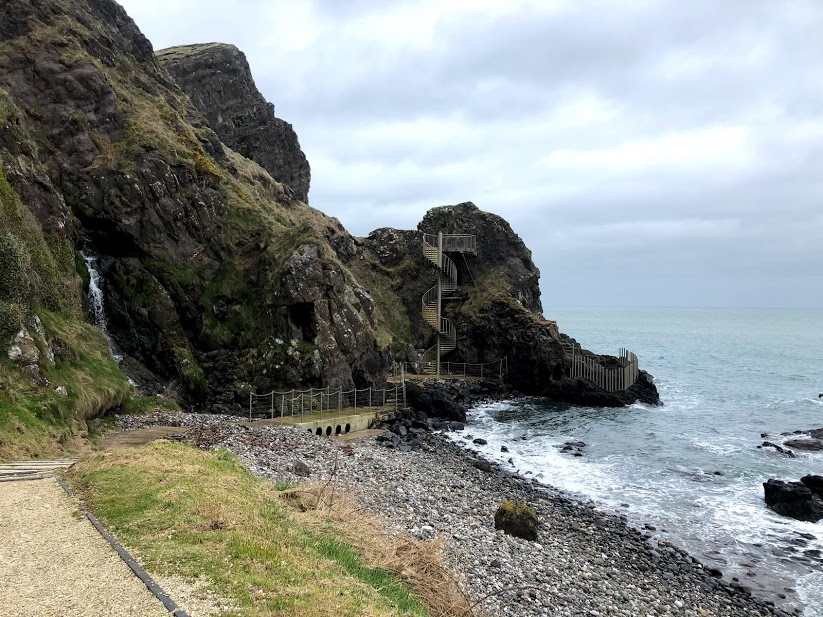
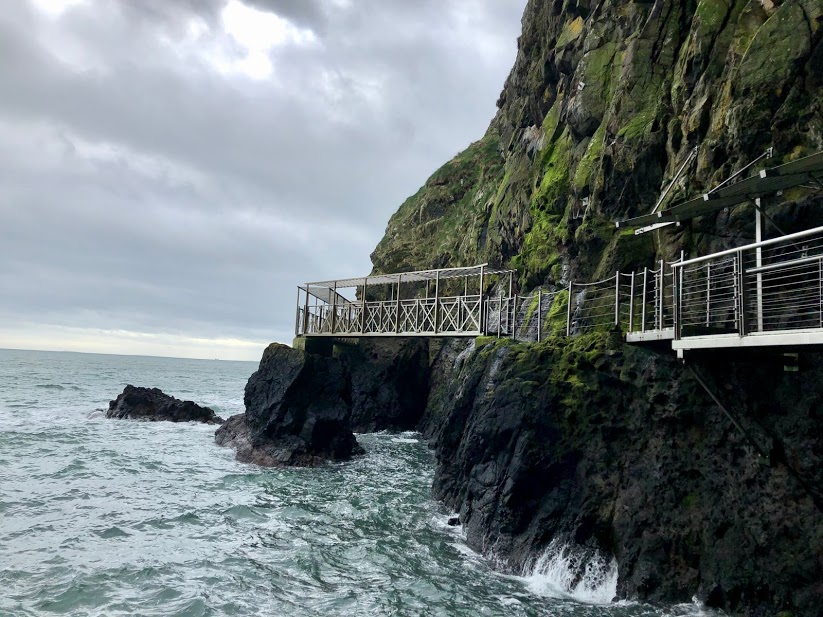
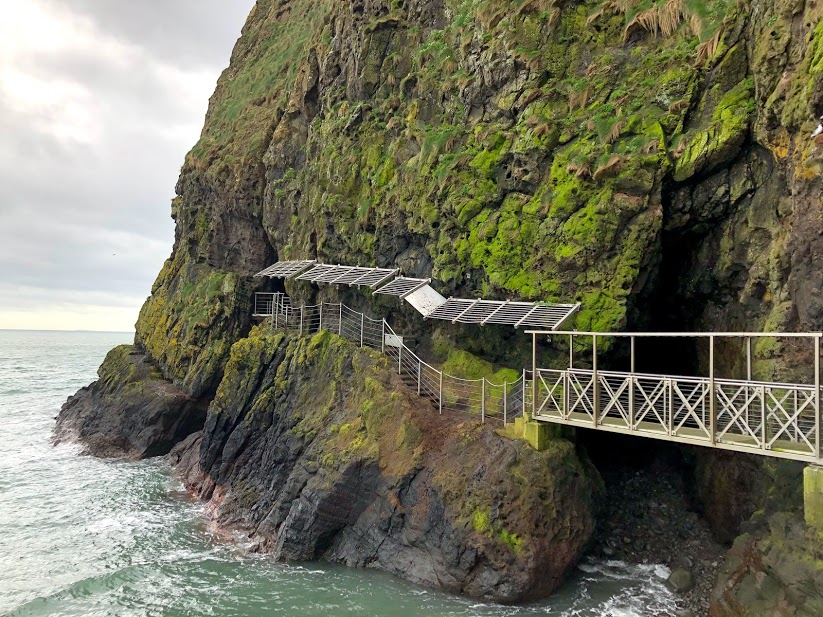
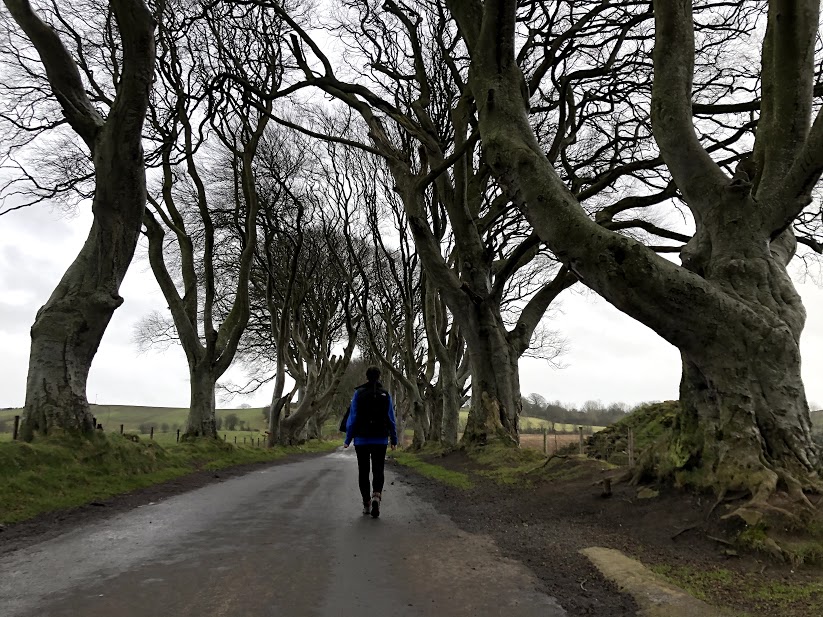
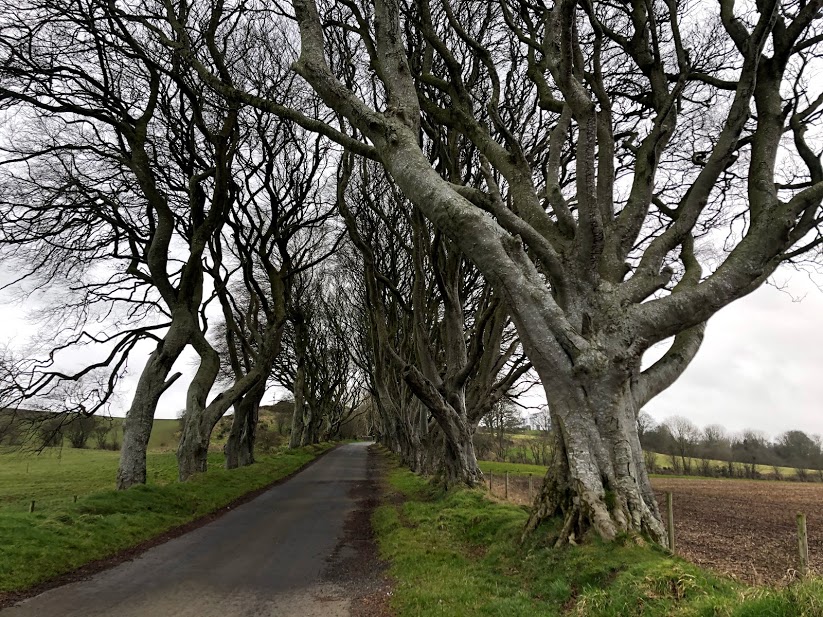
After the Gobbins Walk, we made a brief stop at a Game of Thrones filming location. The Dark Hedges is one of the top tree tunnels in the world, and was depicted on the show as a portion of the King’s Road to King’s Landing. Kylee and I walked the whole tunnel and marveled at its beauty.
The next stop on our day of outdoor adventure took us to the rope bridge Carrick-a-rede. I think the bridge was a little shorter than we were imagining but still in a gorgeous location. I’m glad that I’m not afraid of heights, my dad always told us not to be afraid of heights but to respect them.
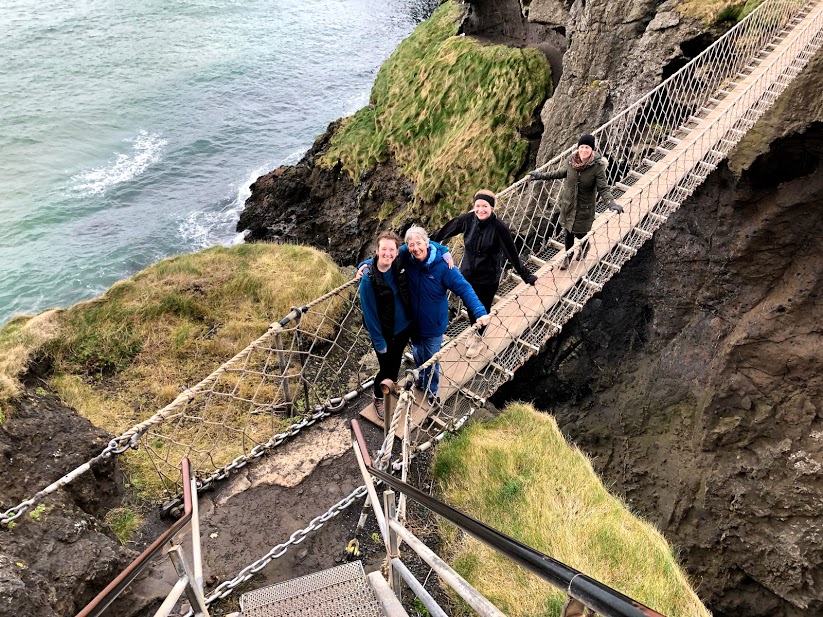
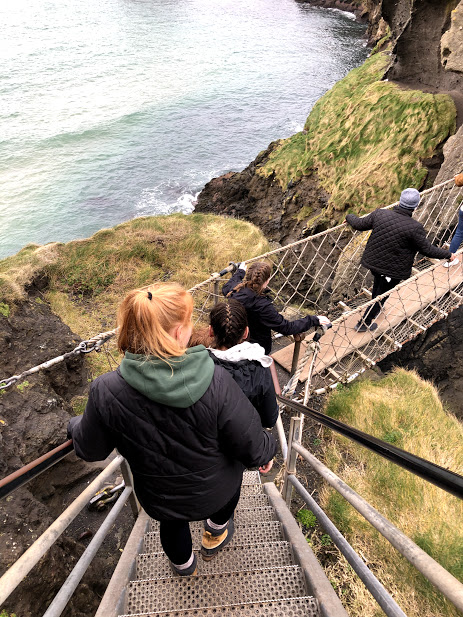
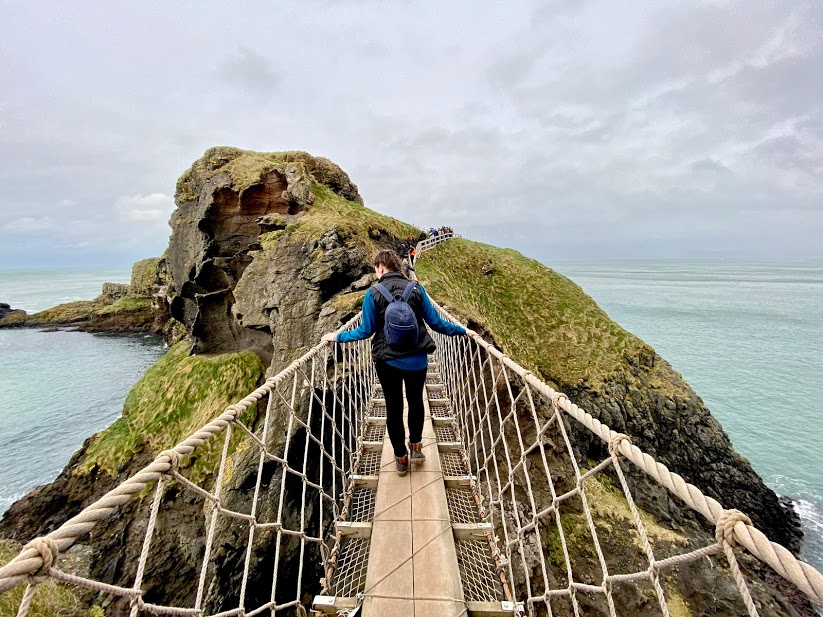
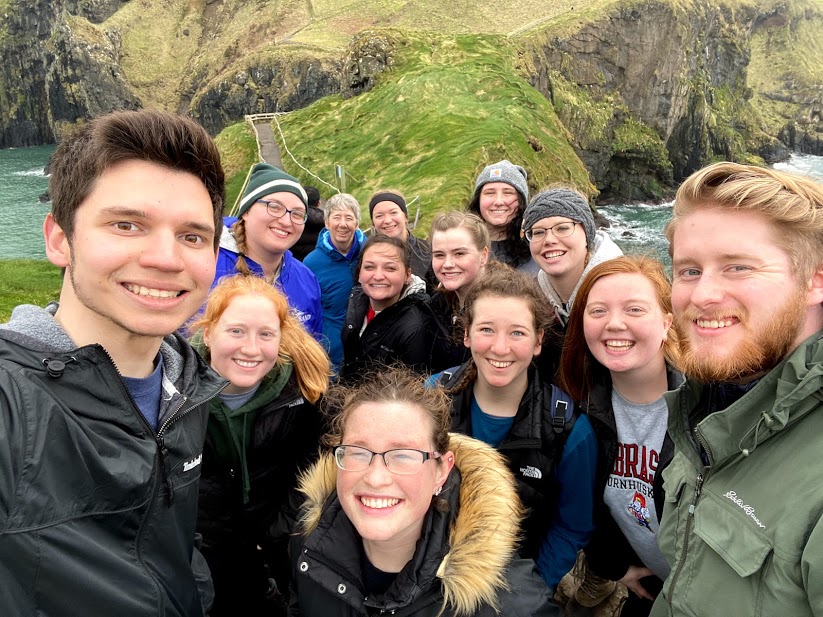
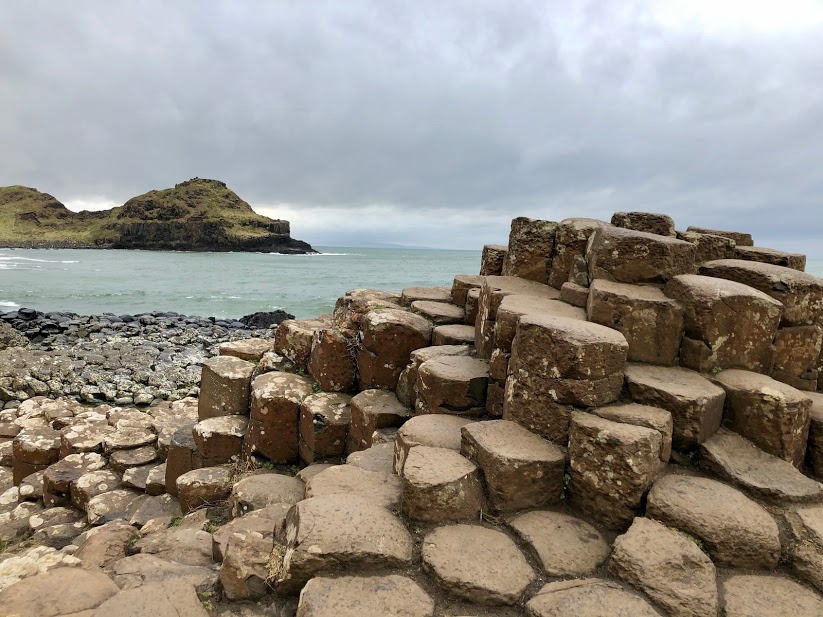
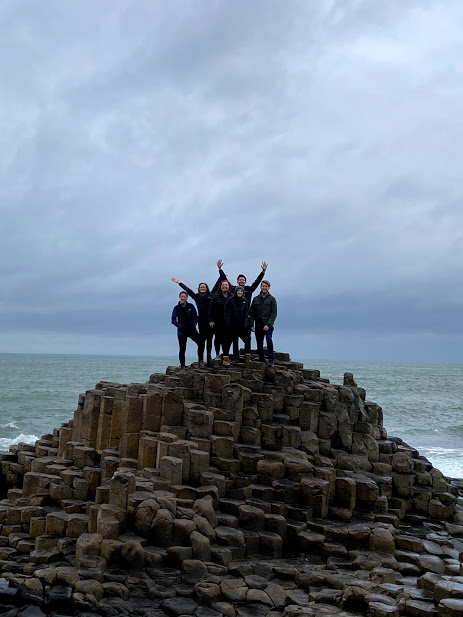
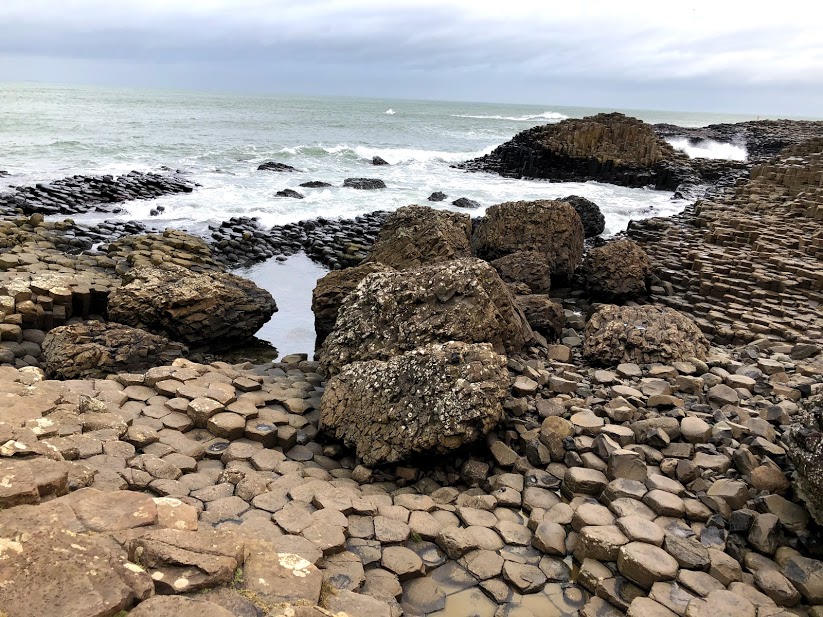
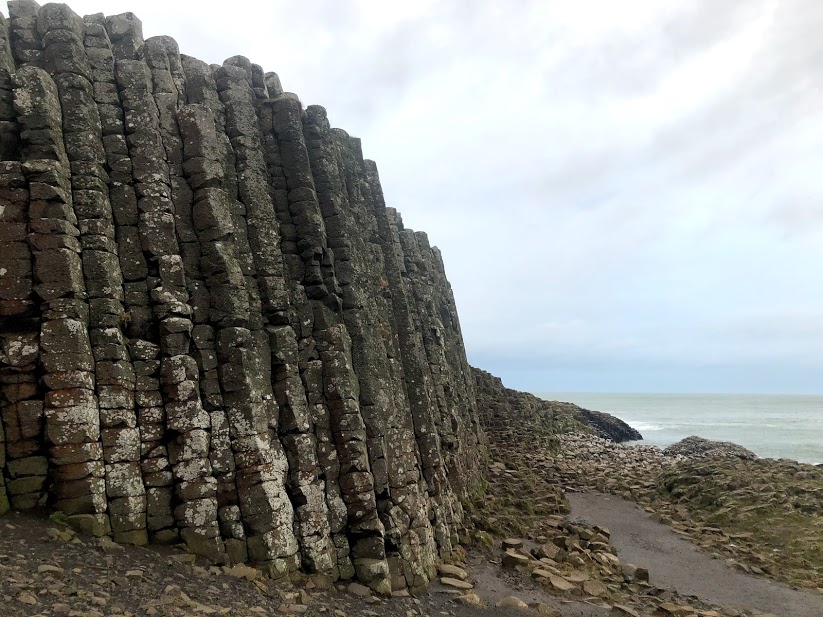
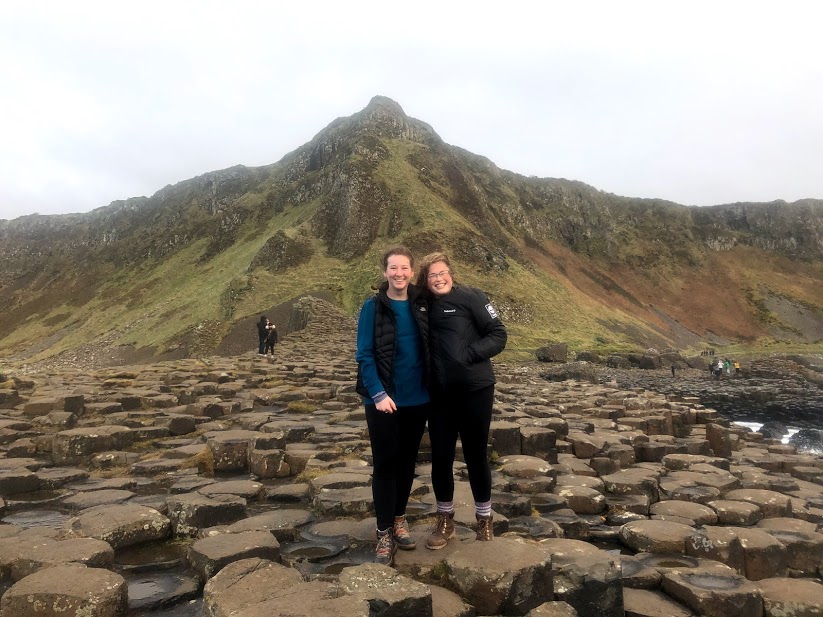
To end our day on Saturday we went to Giant’s Causeway. The causeway is made of interlocking basalt columns resulting from an ancient volcanic eruption. The columns are unique because they’re shaped in to hexagons. I always say that national parks are adult playgrounds and this definitely held true in this moment. It was windy and the waves crashing against the columns were wild, but it didn’t stop us from climbing around and enjoying every moment. On the walk back I even found a spot to gather seashells, if you know me you know what a big deal that is!
Sunday we switched gears back in to the history side of things. We made our way to Londonderry, or Derry, and toured the walled city. Contrary to the impression we were under, the walls do not close or divide the city like the peace wall in Belfast. The walls are fully intact and protected the city during a 105 day siege in 1689. After the tour of the walls we went to the Free Derry museum. Here I learned about the events of Bloody Sunday in 1972. This mass shooting occurred during a peaceful protest against internment without trial in the Bogside of Derry. British soldiers shot 26 unarmed civilians and 14 died. Several of those shot were shot in the back as they ran away from the soldiers or while they were trying to help the wounded. I found this museum impactful and it brought tears to my eyes as we learned of what the families had to endure after their loved ones were taken from them. An initial report claimed that the British soldiers didn’t do anything wrong, and all of those killed were gunmen and bombers. The families fought tirelessly to clear the names of their loved ones that were unarmed when they were killed. The museum is right on the spot were a few died, and you can still see some of the bullet holes on the side of the building. Our museum tour was given to us by the niece of one of the victims. She told us that the British soldiers would cut into the rubber bullets and fill them will glass and shrapnel to make them more deadly. The museum had a letter preserved that was sent to the family of one of the victims. According to our guide all of the families received similar atrocious letters. It is shocking and awful to say the least. The families fought for their to be a second inquiry, eventually they got one and it took 12 years to complete. Upon completion it cleared the names of all but one, who had bombs planted on him by the British soldiers. The prime minister said the events of Bloody Sunday were unjustified and unjustifiable and apologized. The last thing we did in Derry was walk across the peace bridge.
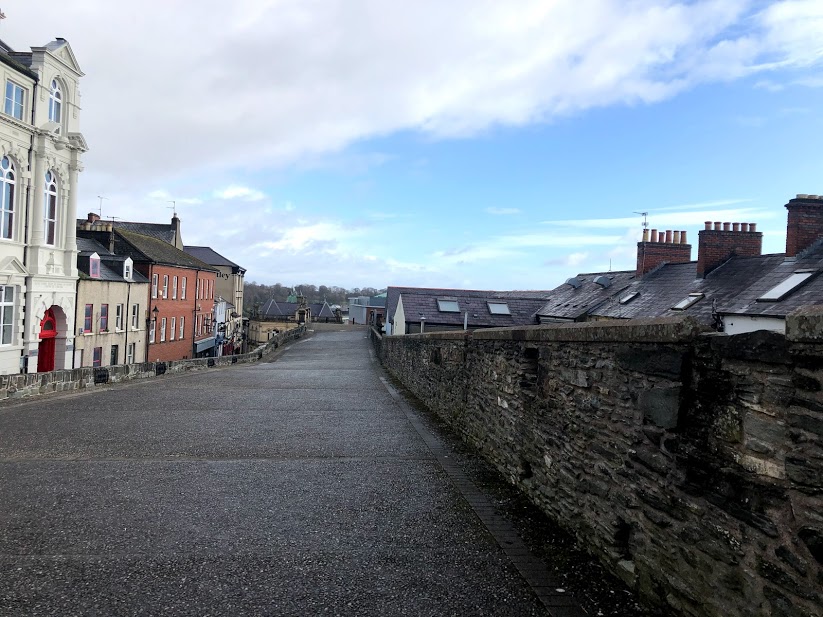
The Derry Walls 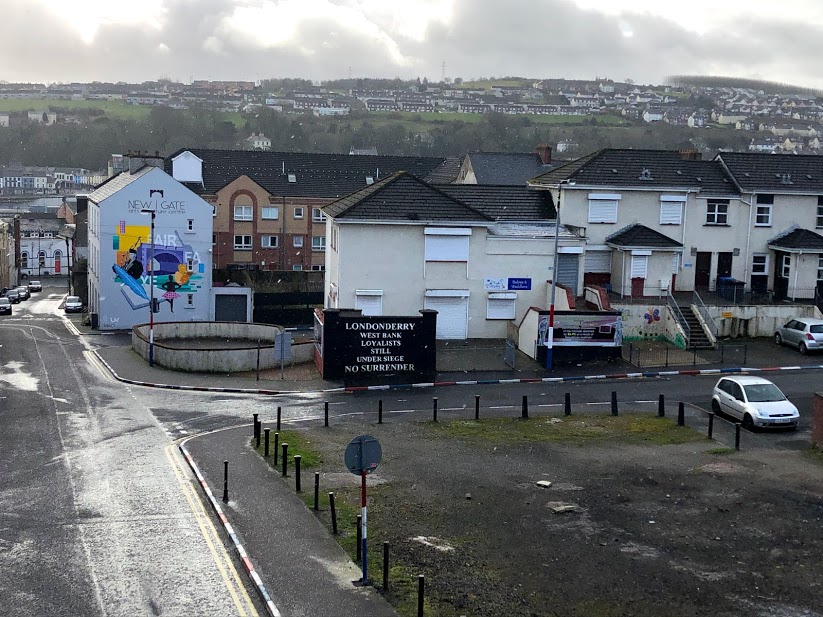
The loyalist sector of Derry 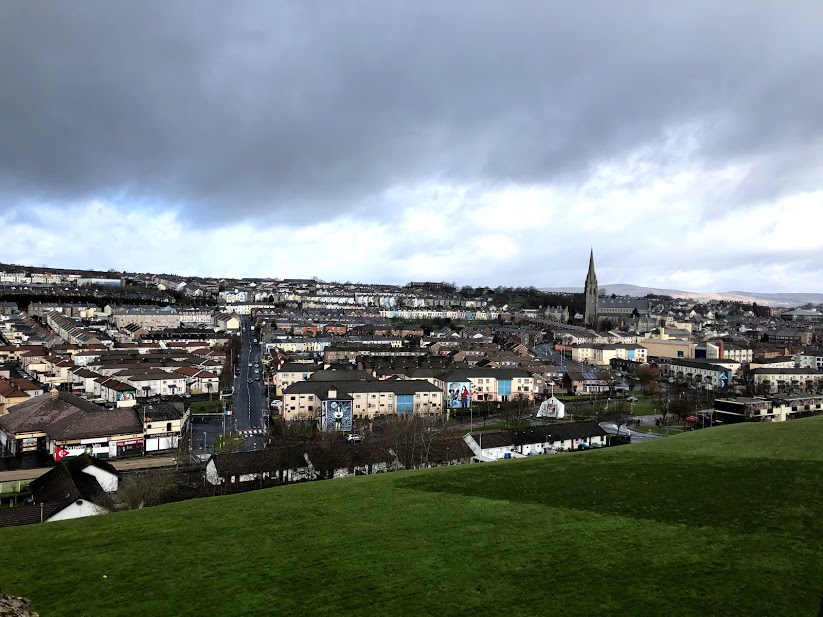
The bog side of Derry 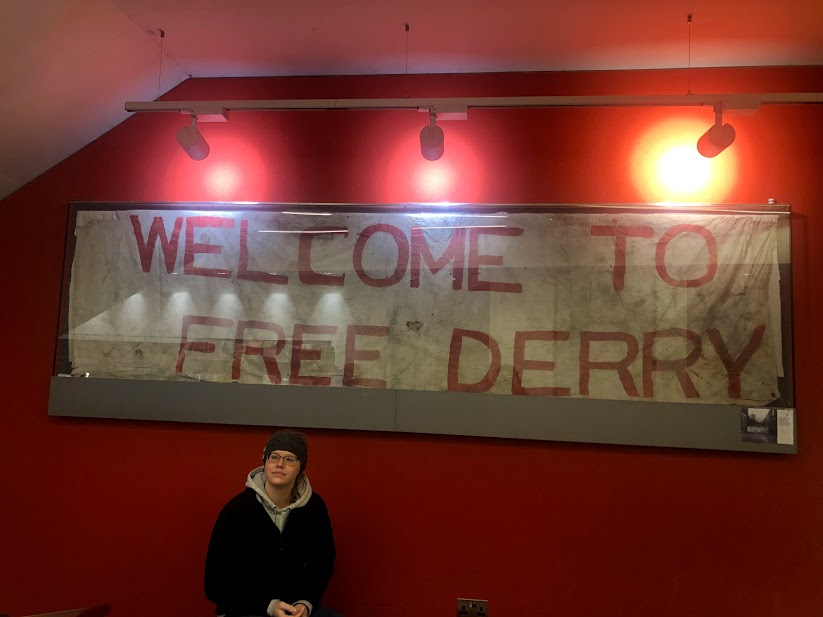
The Free Derry Museum 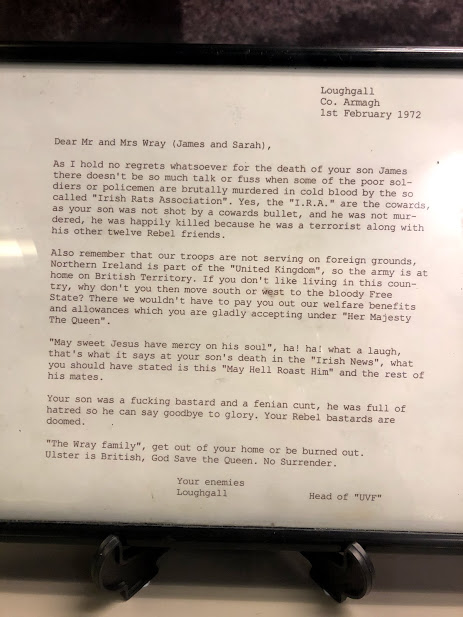
That awful letter 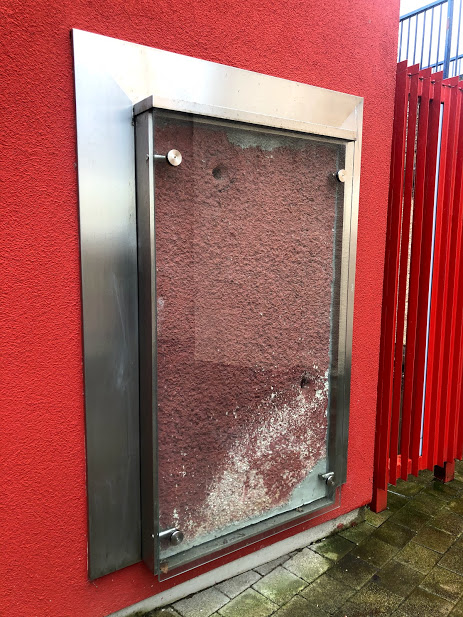
Rubber bullet holes 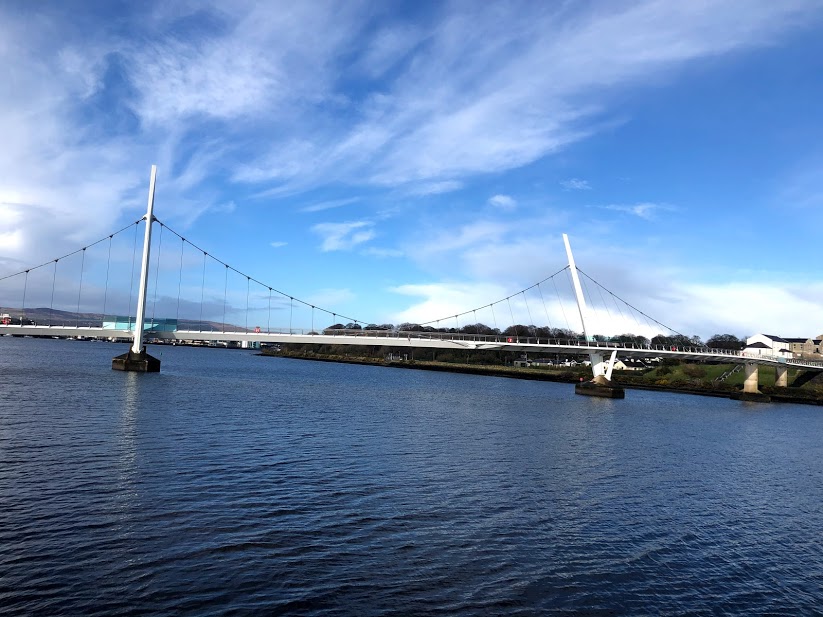
The peace bridge 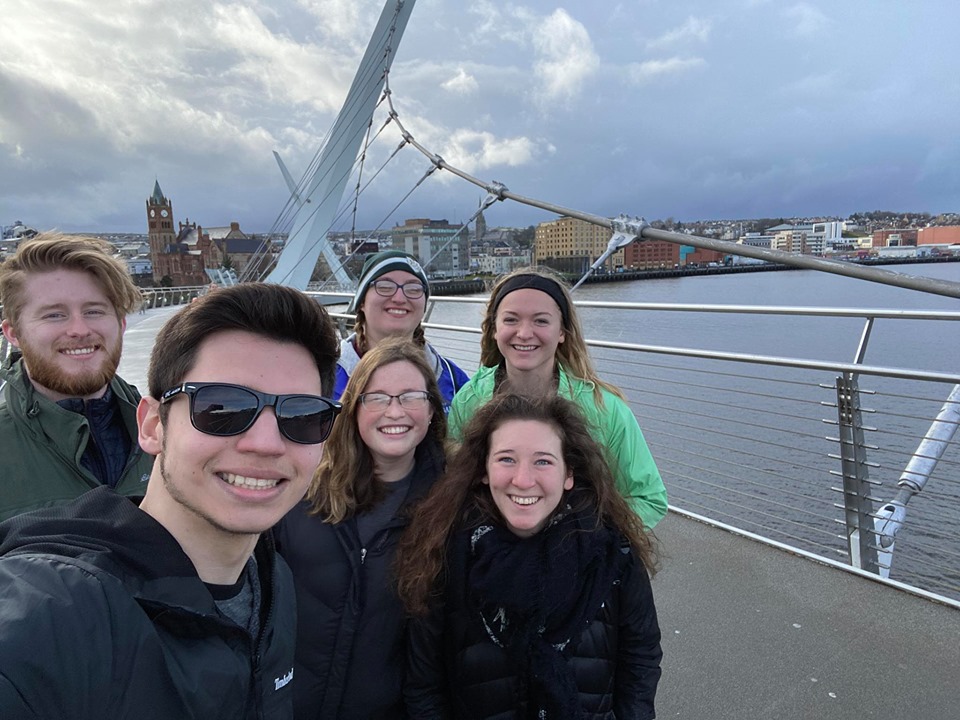
Selfie on the Peace Bridge 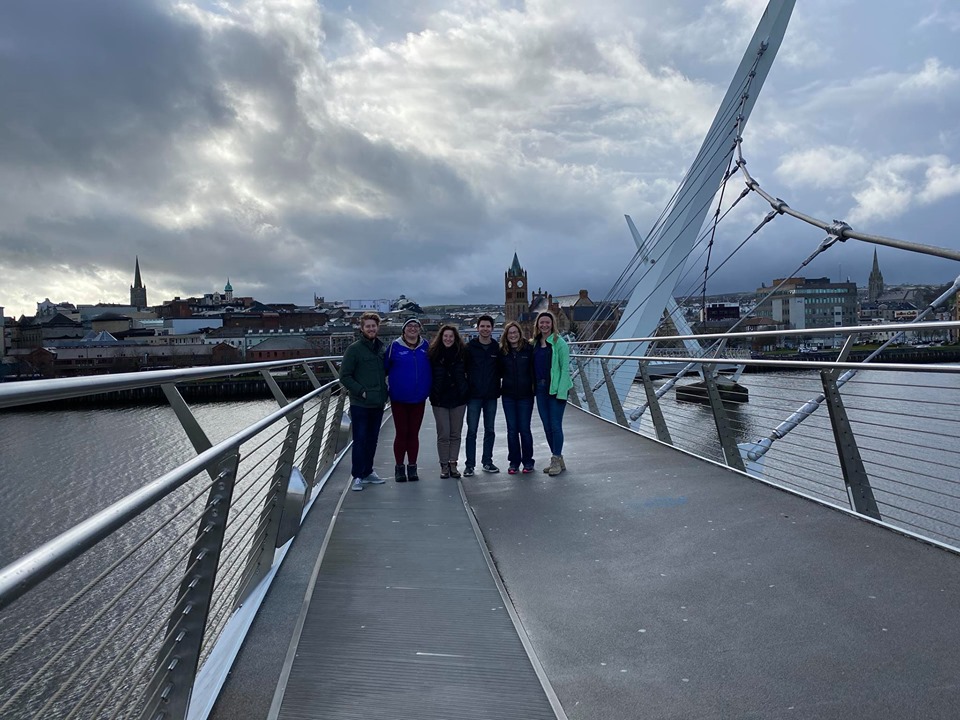
The peace bridge
For our final day we went to Strokestown and learned about the potato famine. We had a tour of the Strokestown house and through the museum. Our tour guide was really engaging and made the tour of the house more interesting by sharing details about the objects in the house. The house was lived in by the same family, the Pakenham Mahons, from the 1600s until 1979. Everything in the house is original and belonged to the family. Our history teacher came with us on the tours and then gave us a lecture about the famine and its lasting impacts here in Ireland. We had a discussion whether it could have been avoided and if England could have done more to help. The famine occurred because the poor in the country were dependent on the potato as their only source of food. The average man would eat 45 potatoes a day and the average woman would eat 30. During the peak years of the famine 1,000,000 people starved to death and another 1,000,000 left the country. We learned that the trend turned to not getting married to avoid having big families and in the 1930 census 83% of 18-35 year old men were unmarried.
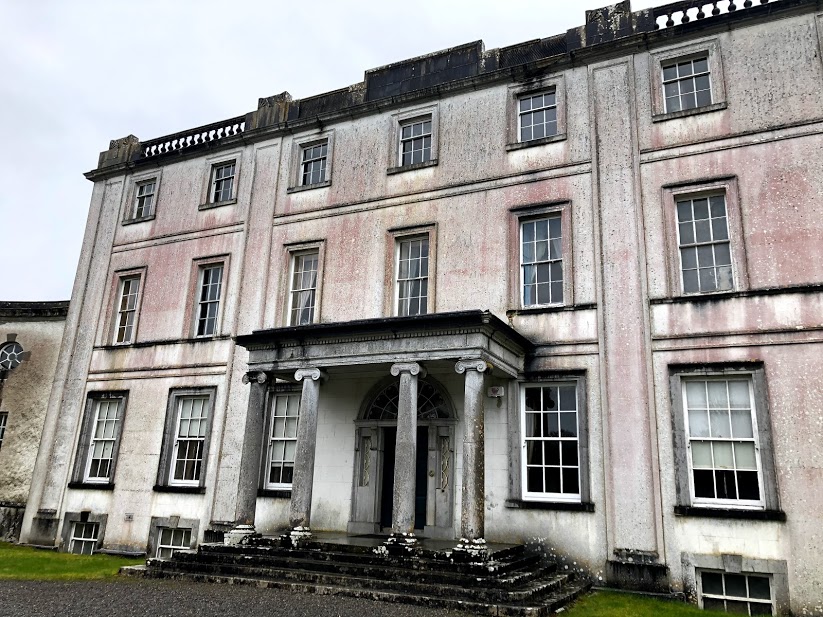
The strokestown house 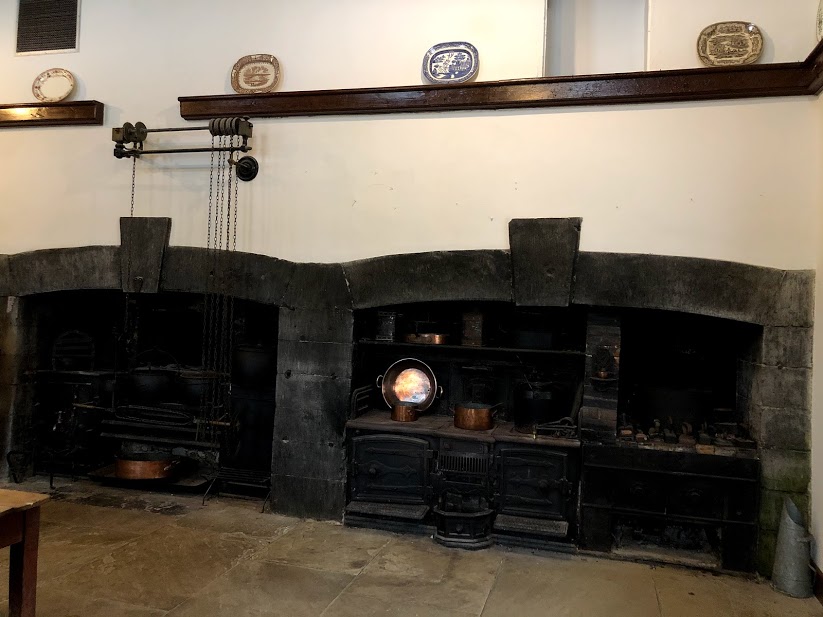
Strokestown house kitchen 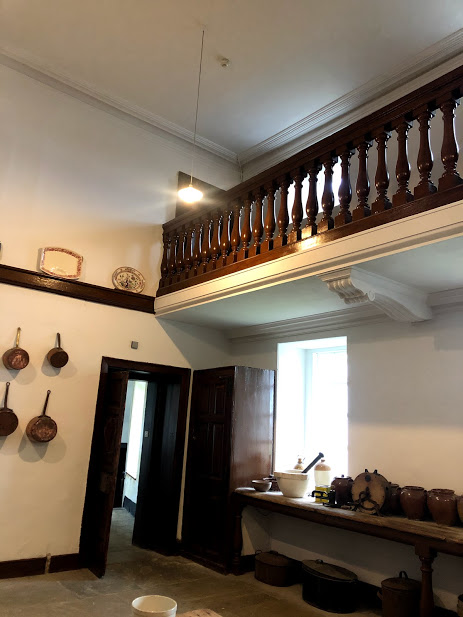
A gallery in the kitchen to keep the elite separate from the workers 
A hunter year old stroller or ‘pram’ 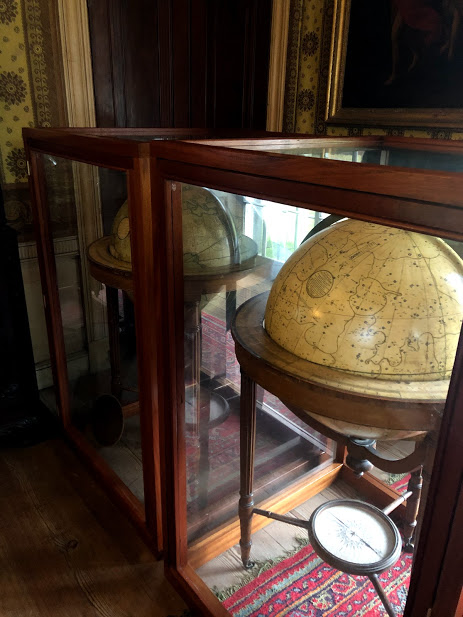
Antique globes
 Traveling Rays